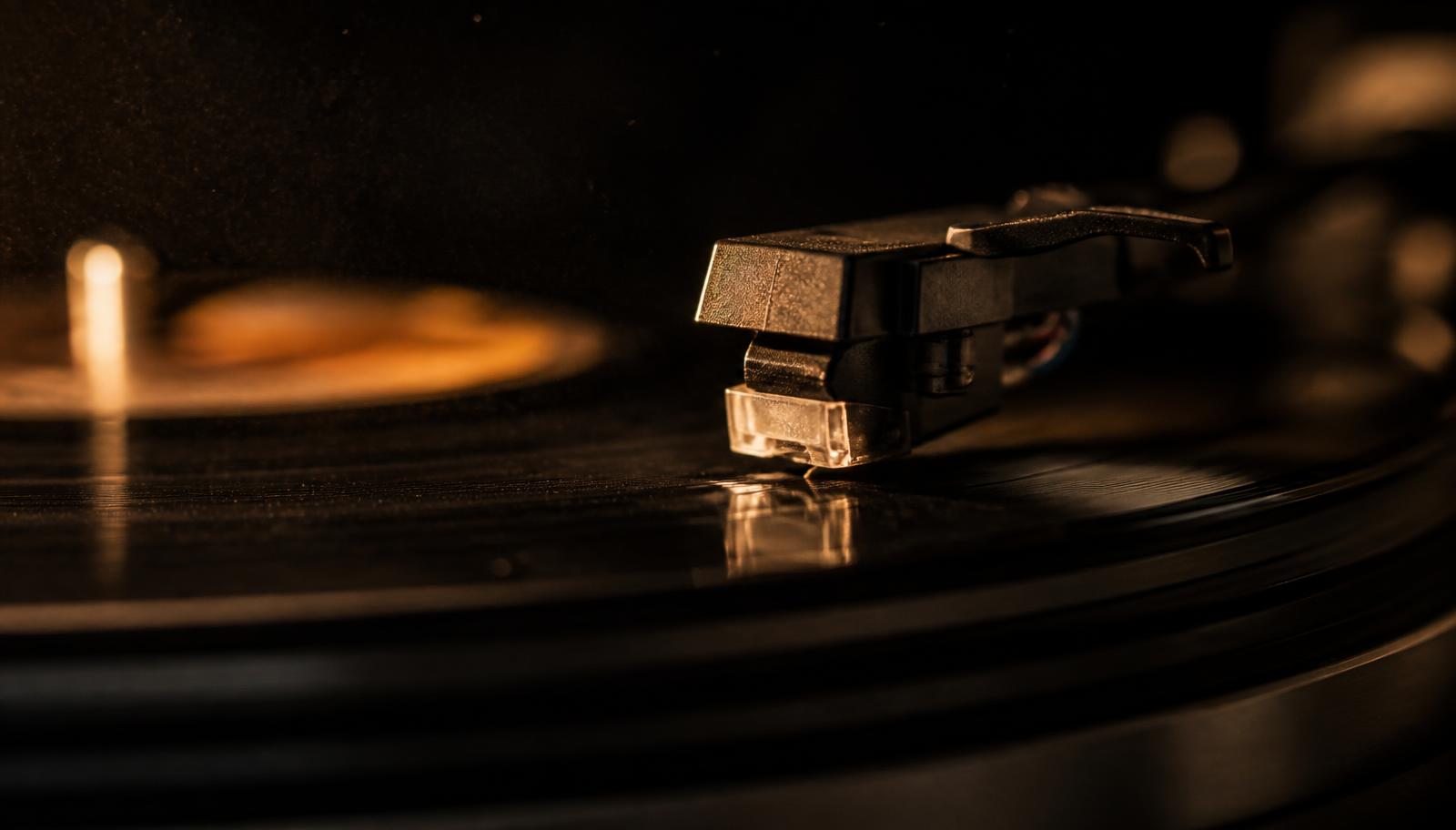

The stylus is the most overlooked part of any turntable setup, and the most likely to be quietly destroying your records. If you can't remember when you last changed yours, that's probably your answer right there.
It's a 2mm diamond tip moving through microscopic grooves at thousands of revolutions per minute. Eventually, it wears down. When it does, it stops reading music cleanly and starts cutting into vinyl. Here's everything you need to know about when to replace it, and what to replace it with.
What Does a Stylus Actually Do?
The stylus, commonly called the needle, is the tiny diamond tip that sits in your record's groove and converts physical movement into an electrical signal. It rides both groove walls simultaneously: left channel on one side, right channel on the other. Those vibrations travel up the cantilever into the cartridge, which converts them into the audio signal your amplifier receives.
Most quality styli use an industrial diamond tip, hard enough to withstand constant groove contact without wearing prematurely. The shape of that tip matters too:
- Conical (spherical): robust and forgiving. The standard for DJ use and heavy rotation.
- Elliptical: tracks more precisely, extracts more detail. The standard for home listening.
- Microline / Shibata: audiophile profiles that retrieve the most information from the groove, but demand accurate tonearm setup to perform.
How Often Should You Replace It?
The standard manufacturer recommendation is around 1,000 hours of play time. At one to two hours a day, typical for a regular home listener, that's roughly two to three years.
For DJs the maths changes fast. Four-hour sets, daily practice sessions, regular gigs. You could hit 1,000 hours in a year without noticing. Scratch DJs wear through styli even faster due to the lateral stress of back-cueing and scratching.
Hours aren't the only variable. Playing dirty records, records with heavy groove damage, or tracking at the wrong anti-skate setting all accelerate wear dramatically. A well-maintained stylus on clean records will outlast one that's been abused.
Signs Your Stylus Needs Replacing
Don't wait for a number. Here's what to listen and look for:
- Muffled or distorted sound, particularly in the high frequencies. If cymbals have lost their clean attack or vocals sound woolly, stylus wear is the likely cause.
- Sibilance and harshness: a worn conical tip often creates a harsh, fizzy quality on vocals and hi-hats that wasn't previously there.
- Skipping or jumping out of grooves: if this is happening, stop immediately. Every skip is carving permanent damage into your record.
- Audible hiss or static on records that previously played quietly.
- Visible damage under a loupe or USB microscope: jagged edges, a flattened tip, or black residue that won't clean off are all signs of wear.
Rule of thumb: if you're unsure, replace it. A new stylus costs a fraction of what it costs to replace a damaged pressing.
Should You Replace the Stylus on a Second-Hand Turntable?
Yes. Always. There's no way to know how many hours a previous owner put on it, how they tracked it, or whether it's ever been cleaned. A second-hand deck with a fresh stylus is a reliable deck. One with an unknown stylus is a liability. Budget the replacement cost as part of the purchase, it protects your entire collection from day one.
Can You Upgrade at the Same Time?
Often yes, and it's worth considering. Many cartridges accept multiple stylus profiles, meaning you can keep the existing cartridge body and just swap the tip. Going from conical to elliptical on the same cartridge is one of the easiest, most audible sound-quality upgrades available at a modest price.
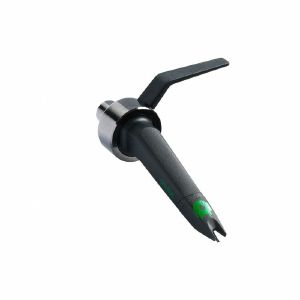
How to Replace a Turntable Stylus (Step by Step)
For most DJ cartridges this is a tool-free two-minute job:
- Power off your turntable and lock the tonearm in its rest.
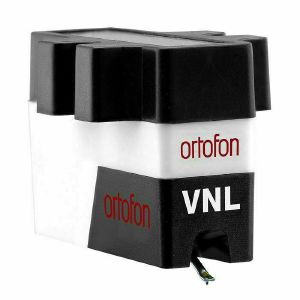
- Locate the stylus body, the small removable section at the front of the cartridge.
- Gently pull the stylus body downward and forward to unclip it from the cartridge shell.
- Line up the new stylus body and press firmly until it clicks into place.
- Replace the stylus guard before powering back on.
Moving coil cartridges are different. The stylus is not user-replaceable on most models. If your MC cartridge is worn, you'll need to send it to a specialist for re-tipping.
Replacing the Part
If the cartridge body is still sound, a replacement stylus is usually the cheaper route. If the cantilever or the body itself is damaged, replace the whole cartridge. We carry replacement styli and cartridges alongside the rest of our record care range, and the listing is the place to check what is available: browse replacement styli and cartridges.