Free UK Shipping On Orders Over £75
    Inspecting vinyl record condition and grading
    Understanding Quality

    Vinyl Record Grading Guide

    Understanding vinyl record grading is essential whether you're a casual listener, serious collector, or DJ. Grades tell you exactly what to expect: how the record sounds, what condition it's in, and whether it's worth the price. The standard used worldwide is the Goldmine scale, which has been the industry standard for decades.

    This guide breaks down each grade, explains what record and sleeve grades mean separately, and helps you make informed purchasing decisions. Learn what each grade sounds like, what condition to buy for your needs, and how to inspect records yourself.

    The Goldmine Grading Scale

    The Goldmine scale has five main grades. Each describes the condition of both the vinyl record and its cover or sleeve.

    Mint (M)

    Unplayed vinyl, still in shrink wrap if original. No visible signs of handling, storage wear, or play. Record is perfect, cover is pristine with no sealing creases or edge wear. Sounds absolutely flawless with zero surface noise. Mint records are extremely rare and command premium prices.

    Near Mint (NM or M-)

    Minimal signs of play or handling. Vinyl may have light hairline marks under strong light, but no visible scratches. Cover shows slight wear from handling or storage, perhaps light creasing or edge wear. Sounds like new with no audible surface noise. Near Mint is the sweet spot for most collectors.

    Very Good Plus (VG+)

    Obvious signs of play and handling. Vinyl may show light scratches and scuffs visible under bright light. Cover shows visible wear, seam splitting, or edge damage. Sounds excellent despite minor surface noise on quiet passages. VG+ is ideal for listeners who care about quality but not collector's condition.

    Very Good (VG)

    Visible wear on both vinyl and cover. Vinyl shows obvious scratches and scuffs, surface noise is noticeable especially on quieter passages. Cover is worn, faded, or damaged. Still fully playable and enjoyable for casual listening. Good value for collectors building affordable collections.

    Good (G)

    Heavy wear throughout. Vinyl is noticeably scratched and scuffed, may have significant surface noise. Cover is heavily creased, marked, or torn. Still listenable, but quality is compromised. Typically only worthwhile if the album is rare or hard to find elsewhere.

    Record vs. Sleeve Grading

    Records and sleeves are always graded separately. You might find a "Near Mint record with a Very Good sleeve", and that's perfectly normal and actually common. The vinyl (the record itself) and the cover (the sleeve) can have very different wear patterns.

    Record Grade

    Describes the vinyl itself. A high record grade means it sounds great and plays cleanly. This is what matters most for listening. A well-maintained record with a worn cover can still be an excellent purchase.

    Sleeve Grade

    Describes the cover, jacket, and artwork. This matters for display, collection value, and aesthetics. Some collectors prioritise sleeve condition; casual listeners may care less. A great record in a worn sleeve can be a bargain.

    When shopping, read both grades carefully. Don't be put off by a worn sleeve if the record is in excellent condition, you're paying primarily for the music, not the cover.

    What Grade Should I Buy?

    The best grade for you depends on your intended use and budget. Here's how to choose.

    Casual Listeners

    If you're buying vinyl to enjoy and play regularly, VG+ or VG records are perfect. They sound great and cost less than NM. You get all the music you love without paying for collector-grade condition.

    Buy: VG+ or VG

    Serious Collectors

    If you're building a valuable collection, Near Mint or Mint condition is worth the premium. These records hold value, sound pristine, and make a statement as a serious collection investment.

    Buy: NM or M

    DJs & Musicians

    As a DJ, you need records that play cleanly. Buy VG+ or NM records at minimum, you need reliable playback without skipping or noise between tracks.

    Buy: VG+ or NM

    How to Inspect a Record

    Whether buying online or in person, use these four techniques to assess vinyl condition accurately.

    1. Look at Photos Under Light

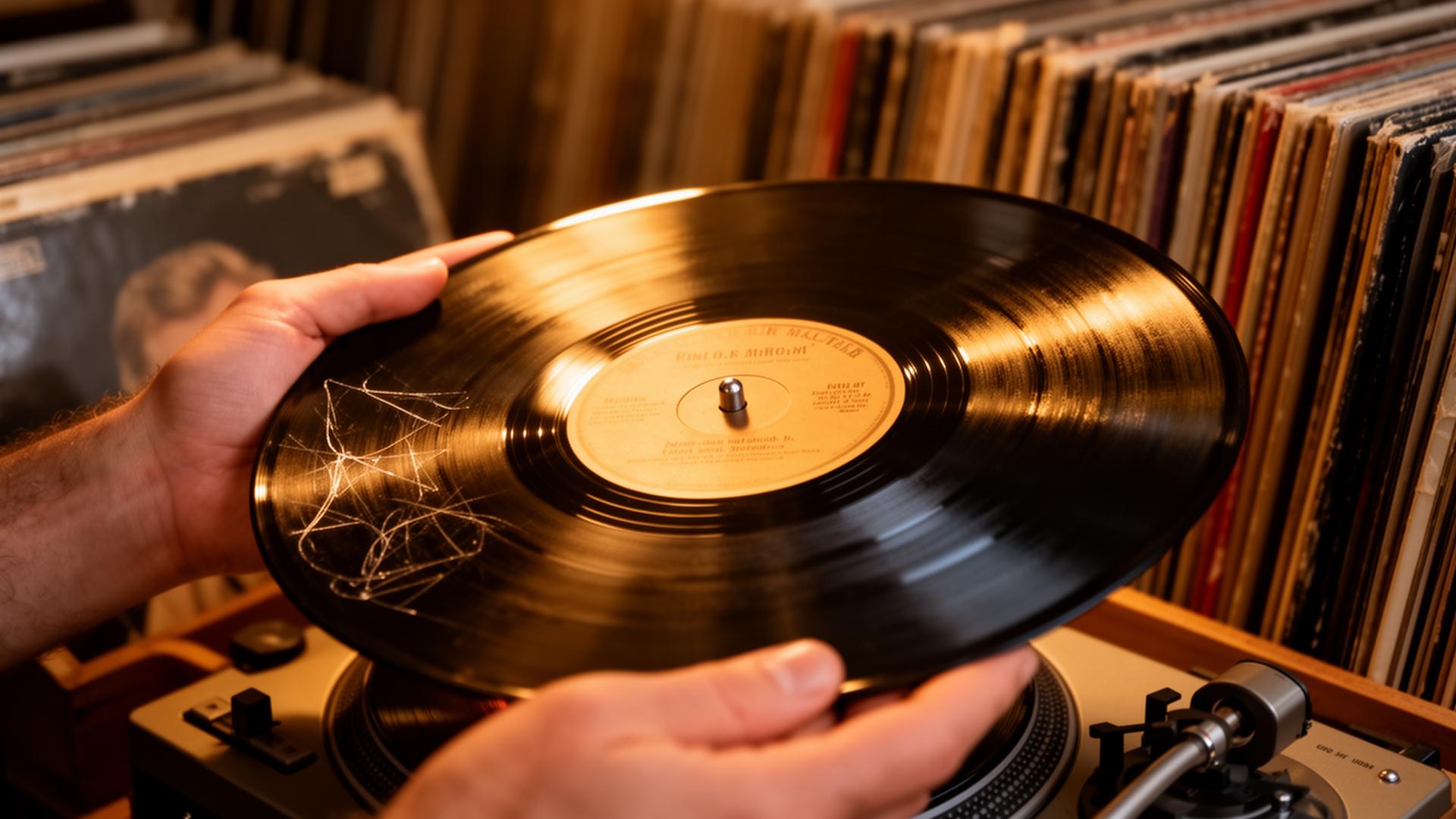
    Online sellers should provide photos under bright light showing the vinyl surface. Look for scratches, scuffs, and play wear. Hairline scratches are normal on played records; deep gouges are red flags. Check both sides of the record.

    2. Inspect the Cover Artwork

    Check for fading, creases, seam splitting, and edge damage. Bright, vibrant artwork suggests light storage; faded or sun-damaged covers indicate age or poor storage. Photos should show the condition of the back cover and spine too.

    3. Read the Condition Description

    Detailed descriptions matter more than grades alone. "VG+ with light hairline marks" gives you a clearer picture than just "VG+." Ask sellers for specifics about audible noise, surface damage, or jacket issues before buying.

    4. Listen to Audio Samples

    Some sellers provide audio clips of the record playing. This lets you hear surface noise and pressing quality yourself. Even a 30-second clip tells you if the record plays well or has significant noise issues.

    Related Reading

    Vinyl Record Grading, FAQ

    Got Records to Move On?

    Now you can grade honestly, put it to use. We buy vinyl collections from UK sellers, with a free quote and free postage.

    Sell your vinyl to us

    Explore More Guides