If you want to understand what resilience sounds like, put on a South African jazz record from the 1950s. Or the 60s. Or the 70s. Hell, any decade under apartheid will do. Because this wasn't music for background ambiance, it was music for survival, defiance, and hope when the world tried to crush all three.
From the illegal shebeens of Johannesburg to the global stages of exile, South African jazz told a story that the regime desperately tried to silence. It failed. The music always found a way through.
The 1940s: Where It Started, In the Shebeens
The foundation was laid in the illegal drinking houses called shebeens, tucked away in the segregated townships of Johannesburg. This was where marabi was born, a hypnotic, cyclic piano style that fused African rhythms with American ragtime and blues.
Marabi wasn't polished. It wasn't meant to be. It was raw, repetitive, and utterly communal, the kind of music you played until sunrise while the world outside pretended you didn't exist. Miners and factory workers would gather in cramped backrooms, sharing homemade beer and letting the music breathe life back into exhausted bodies.
The cycle was the thing. Three or four chords, looped endlessly, with improvisation dancing over the top. It mirrored the grind of township life, repetitive, relentless, but somehow transcendent. Marabi became the social glue of urban Black South Africa, a soundtrack for people building community in the margins.

The 1950s: Sophiatown and the Golden Age
By the 1950s, marabi had evolved into something bigger. Enter kwela, the pennywhistle jive that took South Africa by storm. Kids on street corners played these tin whistles with infectious energy, creating melodies that felt both joyful and bittersweet. Kwela records sold by the thousands, crossing racial and economic lines in ways that terrified the apartheid government.
But the real cultural explosion happened in Sophiatown, a vibrant multiracial neighborhood in Johannesburg that became the epicenter of South African jazz. This was where the Jazz Epistles formed, a supergroup featuring a young Hugh Masekela on trumpet, Abdullah Ibrahim (then known as Dollar Brand) on piano, and the legendary saxophonist Kippie Moeketsi. They only recorded one album together, but it became a cornerstone of the genre.

In 1959, the jazz opera King Kong premiered, telling the story of a boxer's rise and fall. It featured an all-Black cast, a jazz-infused score, and became an unlikely hit, even touring to London. For a brief moment, it felt like South African jazz might conquer the world on its own terms.

Then came the bulldozers. Sophiatown was razed under the Group Areas Act, forcibly relocating its residents and destroying the neighborhood that had nurtured so much creativity. The party was over. The crackdown was just beginning.
The 1960s: The Exile Era
The Sharpeville Massacre of 1960 changed everything. Police opened fire on unarmed protestors, killing 69 people and wounding hundreds more. The apartheid state tightened its grip, banning political opposition and intensifying censorship. For jazz musicians, whose very existence represented freedom and cross-cultural collaboration, staying became impossible.
Hugh Masekela left for the United States. Miriam Makeba, the "Empress of African Song," went into exile and became a global voice against apartheid. The Blue Notes, led by pianist Chris McGregor and featuring the explosive saxophonist Dudu Pukwana, fled to Europe, eventually settling in London where they influenced the British jazz scene for decades.
This wasn't just brain drain, it was cultural hemorrhaging. The artists who left carried South African jazz to international stages, but they also carried the weight of never knowing if they'd see home again. Their music became both a lifeline to their roots and a megaphone to the world: This is what you're allowing to happen.

The 1970s: Mannenberg and the Sound of Uprising
Back home, jazz refused to die. Instead, it transformed into township jazz, grittier, more overtly political, and deeply connected to the struggle. And in 1974, Abdullah Ibrahim (who had returned from exile) recorded a single that would become an anthem.
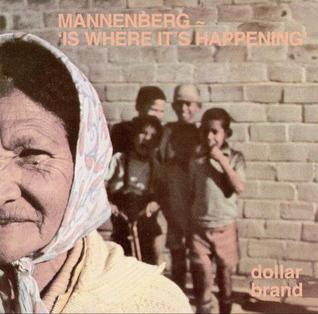
"Mannenberg" was a groove. Simple, circular, mesmerizing, built on that same marabi DNA from the shebeens, but shot through with modal jazz sophistication and an unmistakable urgency. The township it was named after had been forcibly relocated under apartheid. The music was a reclamation.
When the Soweto Uprising exploded in 1976, students protesting the mandatory use of Afrikaans in schools, "Mannenberg" became its unofficial soundtrack. It played in homes, at gatherings, on pirate radio stations. It wasn't just a song; it was a rallying cry, a shared heartbeat for a generation standing up to bullets with stones and courage.
The regime banned it, of course. Which only made it more powerful.
The 1980s: Jazz as Resistance Goes Global
By the 1980s, South African jazz had become a tool for mobilization both domestically and internationally. Artists inside the country continued to push boundaries despite bans and harassment. The cultural boycott meant that international musicians refused to play Sun City, the apartheid regime's propaganda resort, turning isolation into moral solidarity.
Meanwhile, exiled musicians like Masekela and Makeba kept apartheid in the global spotlight, performing at anti-apartheid rallies and using their platforms to amplify the voices of those still fighting at home. Jazz had become more than music, it was diplomacy, protest, and documentation all at once.
The recordings from this era are fierce. Listen to the way the horns snarl, the way the rhythms refuse to sit still. This was music made by people who knew the walls were starting to crack.
For Collectors: The Matsuli Music Revival
Here's where it gets exciting for vinyl heads: much of this music was nearly lost. Pressed in small runs, distributed through informal networks, and often banned, original South African jazz records from this era are rare as hen's teeth, and when they do surface, they command serious prices.
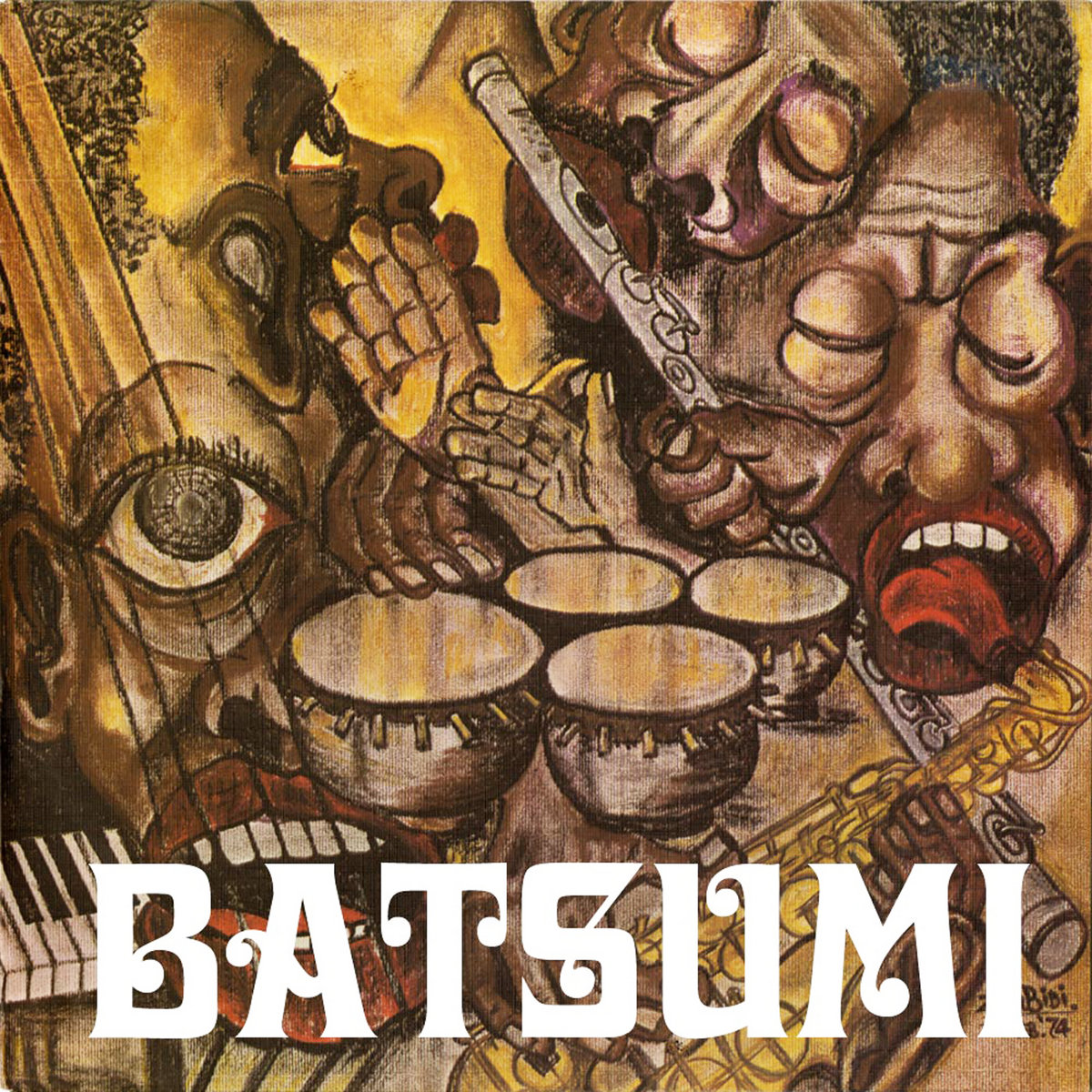
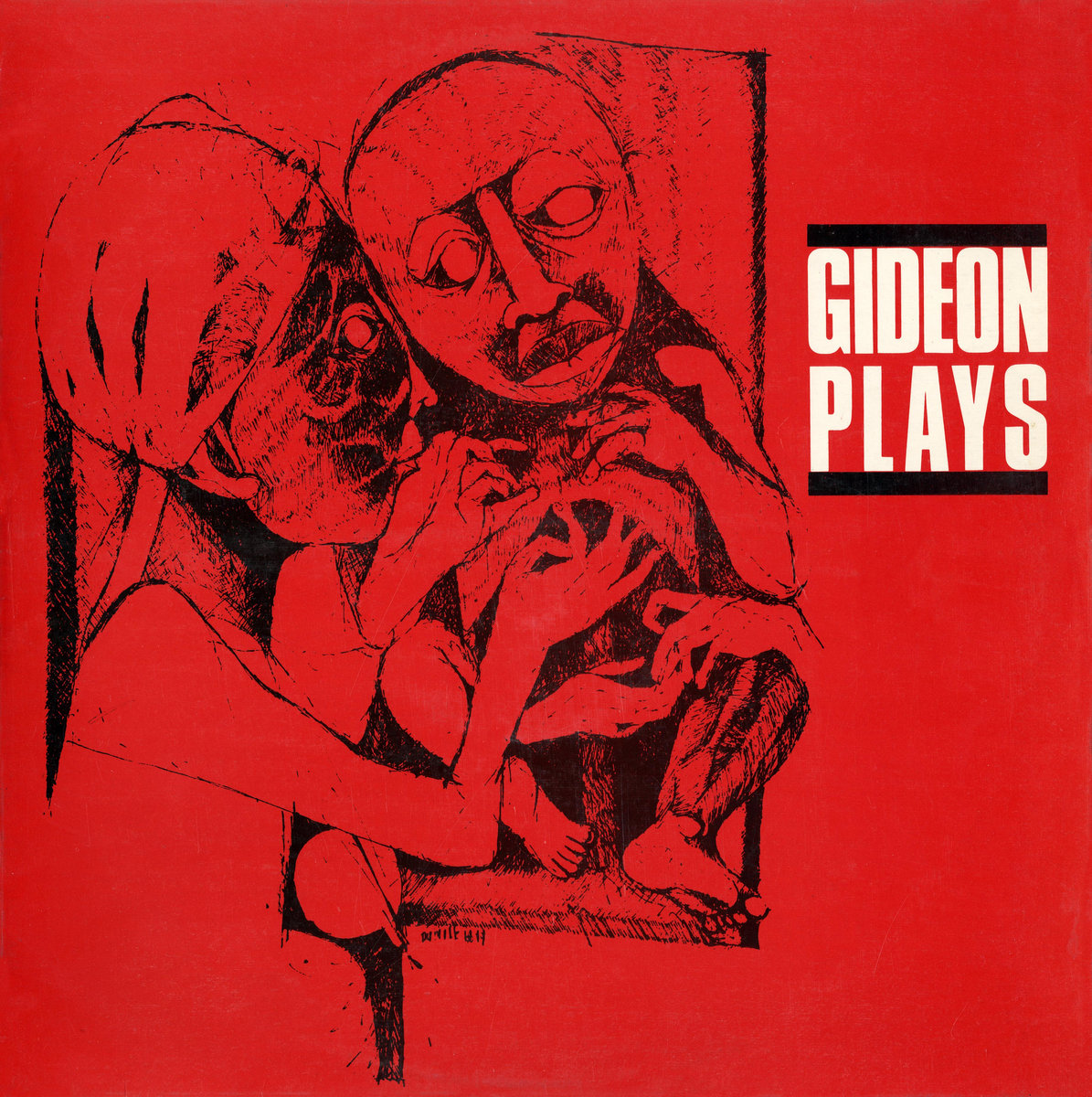
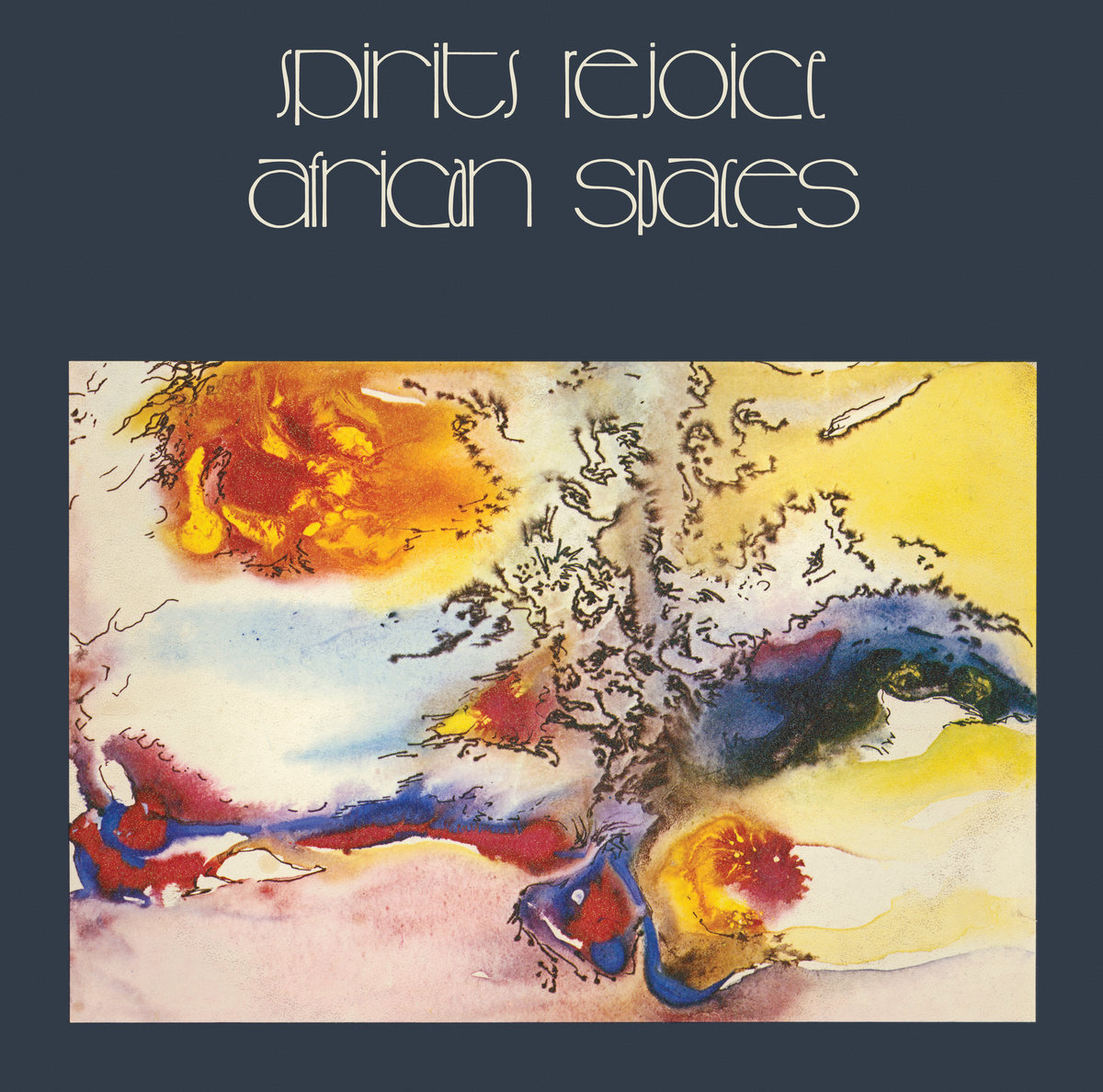
Enter Matsuli Music, a reissue label doing the essential work of bringing these recordings back into circulation. Check out their releases on Bandcamp or through Honest Jon's, and you'll find meticulously remastered gems like:
- Batsumi – spiritual jazz that hits different
- Gideon Nxumalo's "Gideon Plays" – township cool personified
- Spirits Rejoice – "African Spaces" – a live-wire fusion document capturing the era's pressure and possibility
These aren't just archival curiosities. These are records that sound alive today, pulsing with an energy that transcends their historical moment. If you've been sleeping on South African jazz, this is your entry point.

Why This Music Still Matters
South African jazz didn't just document history, it made history. It provided the soundtrack for resistance, the vocabulary for hope, and the proof that culture can't be legislated away. You can ban a song, but you can't unhear it. You can exile the musicians, but you can't exile the groove.
For those of us who collect and listen decades later, these records are time capsules and testimonies. They remind us what music can do when it has to carry more than entertainment, when it has to carry a people's dignity, memory, and refusal to disappear.
So yes, dive into the Matsuli reissues. Track down those original pressings if you can afford them (and have the patience for the hunt). Let "Mannenberg" play on repeat until you understand why it made a government nervous.
And if you're looking to start or expand your South African jazz collection, swing by Vinyl Vault: we're always hunting down these essential pieces of musical history. Because some records aren't just meant to spin. They're meant to resonate.