

Why Vinyl Grading Matters
When buying or selling vinyl records, accurate grading is the foundation of trust between collector and seller. A standardized grading system ensures everyone speaks the same language when describing a record's condition, protecting both buyers from disappointment and sellers from unfair complaints.
This comprehensive guide will teach you how to properly grade vinyl records and sleeves, understand what each grade means for sound quality, and make informed purchasing decisions.
The Goldmine Grading Standard
The most widely accepted grading system in the vinyl community is the Goldmine Standard, developed by Goldmine magazine. It uses the following grades for both records and sleeves:
Mint (M)
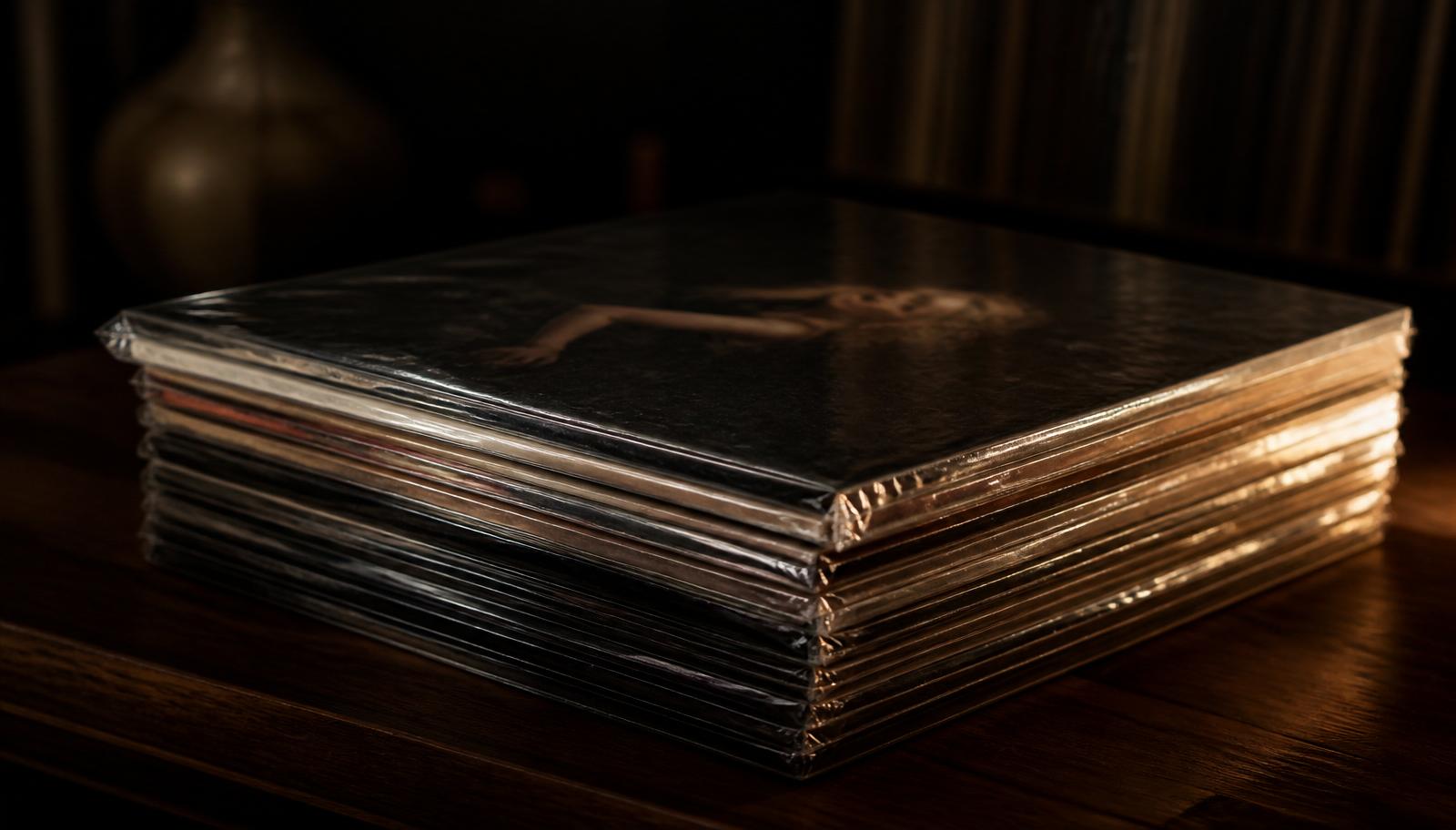
What it means: Absolutely perfect in every way. Often still sealed in original shrink wrap. No defects, marks, or signs of handling whatsoever.
Reality check: True Mint records are extremely rare, especially for releases more than a few years old. Many collectors never use this grade for opened records, regardless of condition. If someone claims an opened 1970s record is "Mint," approach with skepticism.
Sound quality: Flawless playback with zero surface noise, clicks, or pops.
Price impact: Commands premium prices, often 2-3x Near Mint value for rare titles.
Near Mint (NM or M-)
What it means: Appears virtually unplayed with no obvious signs of wear. Under bright light, you might spot the faintest hairline marks from a premium inner sleeve, but nothing that affects playback. The vinyl should have a deep, rich shine.
For the record:
- No scratches, scuffs, or marks visible under normal lighting
- Labels are clean, bright, and unmarked
- No writing, stickers, or tape residue
- Spindle marks may be present but minimal
For the sleeve:
- Corners are sharp and crisp
- No ring wear, creases, or splits
- Colors are vibrant with no fading
- May have very minor shelf wear that doesn't detract
Sound quality: Plays perfectly with no surface noise beyond the natural characteristics of vinyl.
Price impact: Near Mint is the standard top grade for most vintage vinyl. Expect to pay full market value.
Very Good Plus (VG+)
What it means: Shows some signs of handling and play but remains in excellent overall condition. This is a very listenable grade that many collectors target for building an affordable, high-quality collection.
For the record:
- Light surface marks visible under bright light
- No scratches that can be felt with a fingernail
- Minor spindle marks from turntable use
- Labels may show light wear or very minor marks
- No skips, sticks, or audible defects
For the sleeve:
- Minor ring wear that doesn't break through the artwork
- Light corner wear with possible small creases
- Seams are intact with no splits
- Minor shelf wear along edges
- Slight fading possible but artwork remains clear
Sound quality: Plays with minimal surface noise that doesn't interfere with music enjoyment. Occasional light click or pop possible during quiet passages.
Price impact: Typically 50-70% of Near Mint value. Excellent value for money.
Very Good (VG)
What it means: A well-loved record showing clear signs of play but still serviceable for listening. Not collector grade, but perfect for enjoying the music without breaking the bank.
For the record:
- Visible light scratches and scuffs
- Some surface noise and occasional pops during playback
- No deep scratches causing skips
- Labels may have writing, small tears, or stains
- Noticeable spindle wear
For the sleeve:
- Obvious ring wear, possibly through to the cardboard layer
- Corner wear and creasing
- Minor seam splits (less than 2 inches)
- Writing, stickers, or price tags present
- General shelf wear and aging
Sound quality: Noticeable surface noise throughout. Music is clear but playback isn't pristine. Background crackle during quiet sections.
Price impact: Usually 25-40% of Near Mint value. Budget-friendly option for expensive titles.
Good Plus (G+)
What it means: Significant wear but still plays through without major issues. For rare records that are otherwise unaffordable or hard to find.
For the record:
- Heavy scratches and scuffing visible
- Constant surface noise and frequent pops
- Possible light clicks but no skipping
- Labels may be heavily damaged, written on, or partially missing
For the sleeve:
- Extensive ring wear and discoloration
- Seam splits, possibly repaired
- Corners may be rounded or torn
- Significant writing, stickers, or other markings
Sound quality: Music is audible but playback is compromised by constant noise.
Price impact: 15-25% of Near Mint value.
Good (G)
What it means: Heavy wear. Only acceptable for extremely rare records or as placeholders until a better copy can be found.
Characteristics:
- Deep scratches and visible groove damage
- Frequent pops, clicks, and distortion
- May have short skips or repeating sections
- Plays through but listening experience is poor
Price impact: 10-15% of Near Mint value.
Fair (F) and Poor (P)
What it means: Damaged records for parts, display, or historical completeness only. Not suitable for regular listening.
Characteristics:
- Severe scratches and groove damage
- Skipping, sticking, or unplayable sections
- Warping that affects playback
- Cracked or split vinyl
Price impact: Minimal value except for extreme rarities.
Grading Records vs Sleeves Separately
Always grade the record and sleeve independently using the format: "VG+/VG" where the first grade is the record and the second is the sleeve.
Example: A record described as "NM/VG+" has a near-mint vinyl disc in a very good plus sleeve, common for well-stored records that have been handled over the years.
Special Considerations
Picture Discs and Colored Vinyl
These formats are more difficult to grade visually because surface marks are harder to see. Always play-grade these records and be conservative in your assessment.
Audiophile and Heavyweight Vinyl
180-gram and 200-gram vinyl often shows fewer visual defects but should still be graded to the same standards. Weight doesn't automatically mean better sound, mastering and pressing quality matter more.
Promotional Copies
Promo stamps, drill holes, or clipped corners affect sleeve grading but can actually add value for certain collectors. Always note these features in descriptions.
How to Grade Your Own Records
Visual Inspection
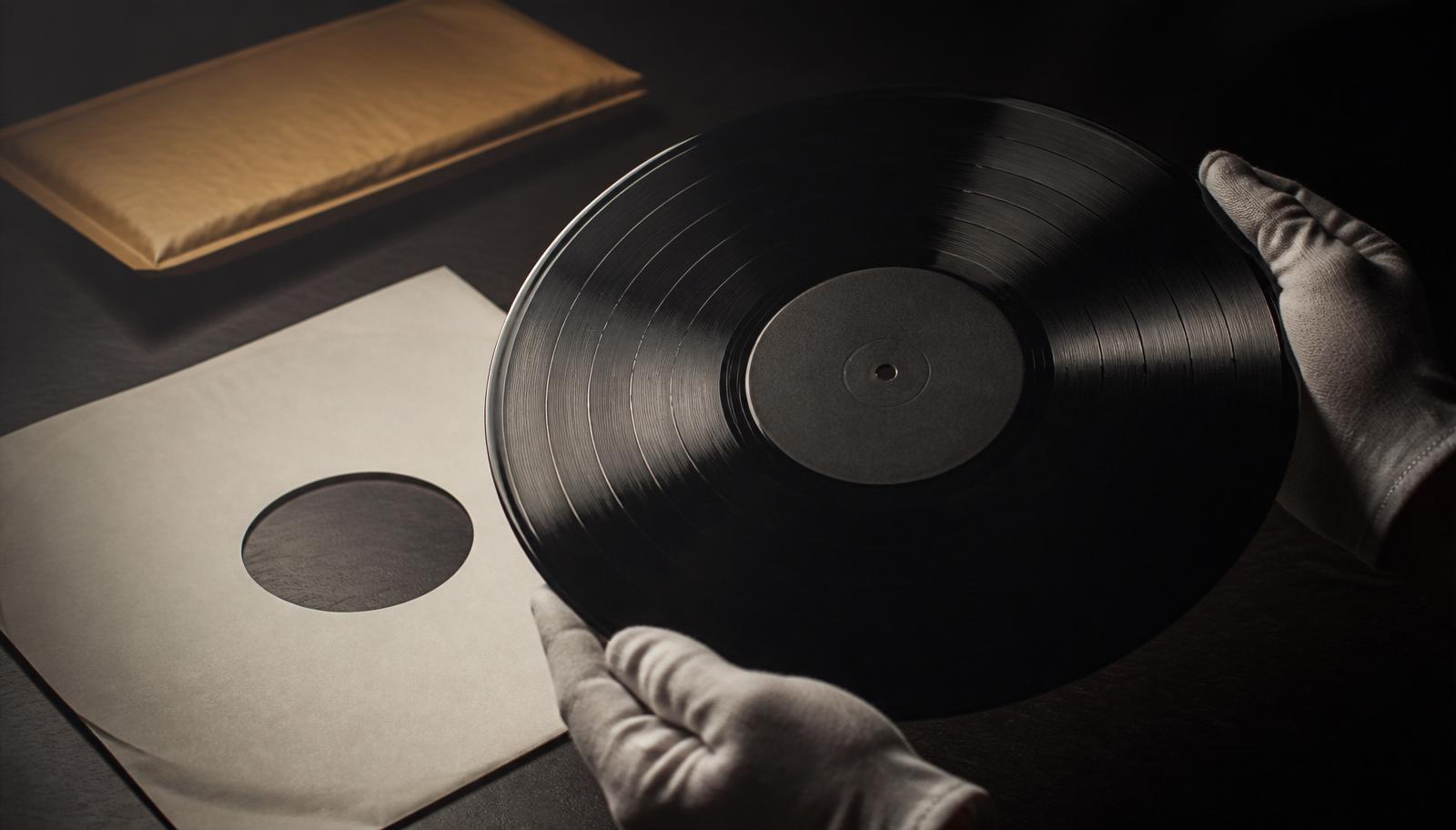
Step 1: Clean the record thoroughly with a proper vinyl cleaning solution. Dust and fingerprints can make condition appear worse than it is.
Step 2: Hold the record under bright light at various angles. Rotate slowly to spot scratches, scuffs, and surface marks.
Step 3: Examine both sides completely. A record's grade is only as good as its worst side.
Step 4: Check labels for writing, stains, tears, and spindle wear.
Play Testing
Visual grading alone isn't enough. Always play test records before finalizing a grade:
- Use a properly set up turntable with a clean, undamaged stylus
- Listen to several tracks on each side, including quiet passages
- Note any skips, sticks, or excessive surface noise
- If sound quality is worse than visual inspection suggests, grade down
Common Grading Mistakes to Avoid
Over-Grading (The #1 Mistake)
Sellers often grade their own records too optimistically. Be honest and conservative, a pleasantly surprised buyer becomes a repeat customer. A disappointed one never returns.
Confusing Grades
"VG" does not mean "Very Good condition" in the everyday sense. It's a specific grade indicating significant wear. Make this clear to buyers unfamiliar with the system.
Ignoring Playback Issues
A visually perfect record that sounds terrible is not Near Mint. Sound quality always takes precedence over visual appearance.
Not Noting Defects
Even within a grade, describe specific issues: "VG+ with light surface noise on side A, plays beautifully on side B" is far more helpful than just "VG+."
Regional Grading Variations
While Goldmine is the standard in the UK and US, some regions use different systems:
- UK grading: Sometimes uses "Excellent (EX)" instead of VG+
- Japanese grading: Often more conservative, with Japanese VG+ equivalent to Western NM
- Record fairs: May use simplified "Excellent/Very Good/Good" system
Always clarify which system is being used when buying internationally.
The Economics of Grading
Understanding grading isn't just about accuracy. It's about value. A VG+ copy of a rare album might cost £50, while NM costs £150. For many collectors, the VG+ copy offers 90% of the listening pleasure at 33% of the price.
Conversely, for truly rare or beloved albums, the premium for NM condition might be worth paying. Only you can decide where that line is for your collection and budget.
Final Thoughts
Accurate grading builds trust in the vinyl community. Whether you're buying your first record or your thousandth, understanding these standards ensures you know exactly what you're getting.
Remember: grading is somewhat subjective within each category. When in doubt, grade conservatively and describe specific issues. A record honestly graded as VG+ will satisfy buyers far more than one optimistically labeled NM that arrives with obvious wear.
Happy collecting, and may all your records play better than their grade suggests!