



The history of electronic music is often told as a story of men and machines. Kraftwerk. Brian Eno. Aphex Twin. But strip back the mythology and you'll find women at every turning point, inventing instruments, composing groundbreaking scores, and reshaping what music could be. Many were ignored in their lifetime. Some are only now receiving the recognition they deserve.
This is their story, from the tape loops of 1950s London to the Afrofuturist experimentalism of today. And for five of these artists, you can hear their work on vinyl right now.
The Pioneers: Tape, Oscillators & New Worlds
In 1958, Daphne Oram co-founded the BBC Radiophonic Workshop, one of the most important electronic music studios in history. She went on to develop the Oramics machine, a device that converted drawn shapes into sound. It was radical, handmade, and decades ahead of its time. Oram left the BBC to pursue her own research, largely self-funded and largely forgotten until long after her death.
Her colleague Delia Derbyshire became the uncredited genius behind the Doctor Who theme, a piece of music that introduced millions to electronic sound. Derbyshire realised Ron Grainer's score using tape splicing, test oscillators, and extraordinary patience. When Grainer heard the result, he reportedly asked "Did I write that?" The BBC refused to credit her.
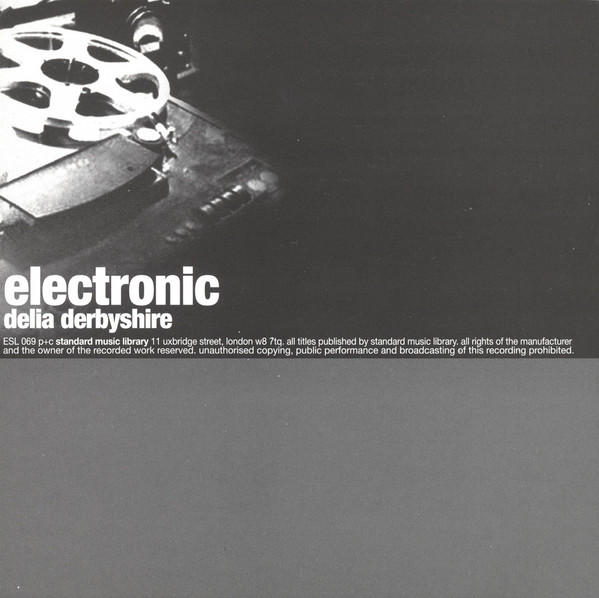
Across the Atlantic, Wendy Carlos released Switched-On Bach in 1968, recording Bach's compositions on a Moog synthesiser. It became the first classical album to go platinum and single-handedly popularised the synthesiser as a serious musical instrument. Carlos went on to score A Clockwork Orange and Tron, creating soundscapes that still feel futuristic today.

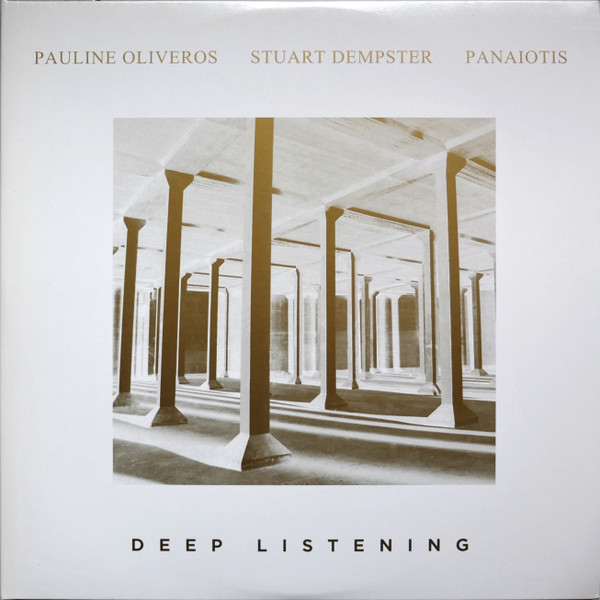
Pauline Oliveros took a different path entirely. A composer, improviser, and philosopher, Oliveros developed the practice of "Deep Listening", a discipline that treated attentive listening as a creative act. Her work with tape delay, accordion, and electronic processing influenced generations of ambient and drone artists. She founded the Deep Listening Institute and continued teaching until her death in 2016.
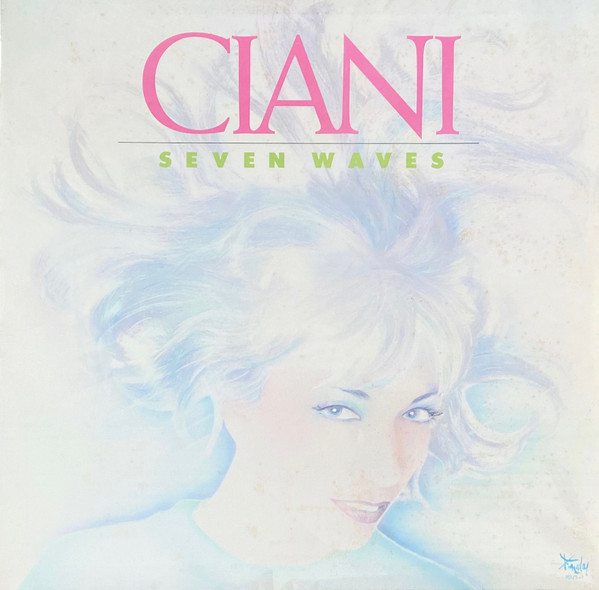
Suzanne Ciani, known as the "Diva of the Diode," was one of the first women to work extensively with the Buchla synthesiser. She composed the iconic Coca-Cola "pop and pour" sound and released a string of acclaimed new age and electronic albums. Her live Buchla performances, captured on records like LIVE Quadraphonic, showcase an artist still pushing boundaries after five decades.
Éliane Radigue: The Patience of Sound
If Oliveros taught people how to listen, Éliane Radigue taught them how to wait. The French composer has spent over fifty years exploring the outer reaches of drone and minimalism, creating works of extraordinary stillness and depth. Her early pieces, made on an ARP 2500 synthesiser, unfold over hours, glacial shifts in tone that reward sustained attention.
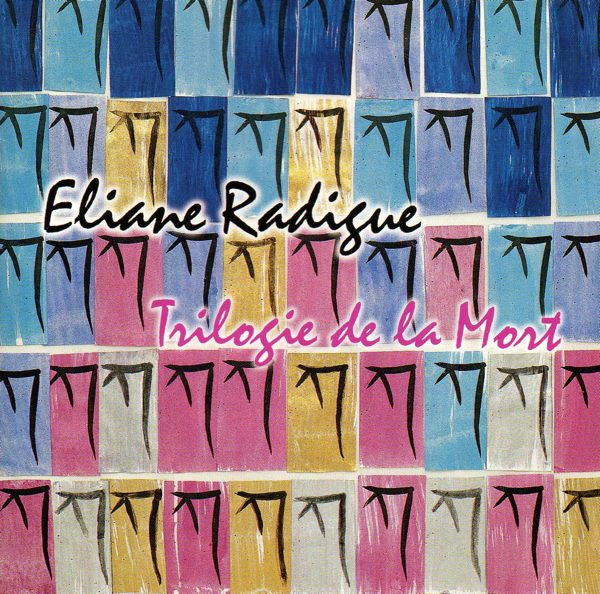
Born in Paris in 1932, Radigue studied musique concrète under Pierre Schaeffer and Pierre Henry before developing her own approach to electronic composition. Where her contemporaries worked with rapid tape edits and collage, Radigue stripped everything back. Her music breathes. It asks you to slow down.
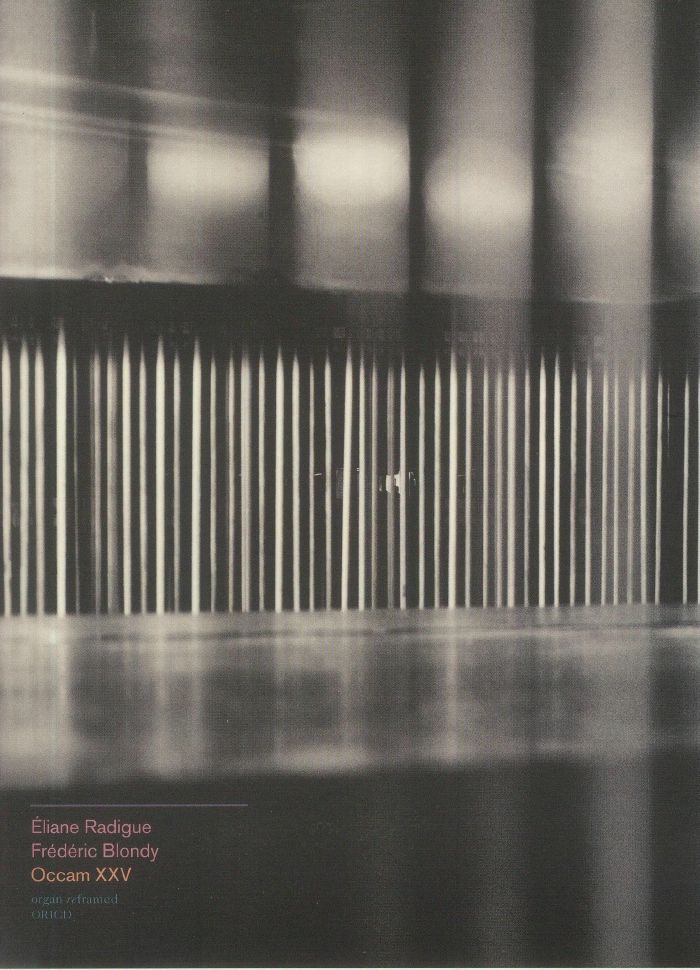
In the 2000s, she made a remarkable shift to writing for acoustic instruments, collaborating with performers who shared her patience and sensitivity. Records like Occam XXV capture this later period beautifully, music that feels both ancient and utterly modern.
BBC Radiophonic Workshop: Where Science Met Sound
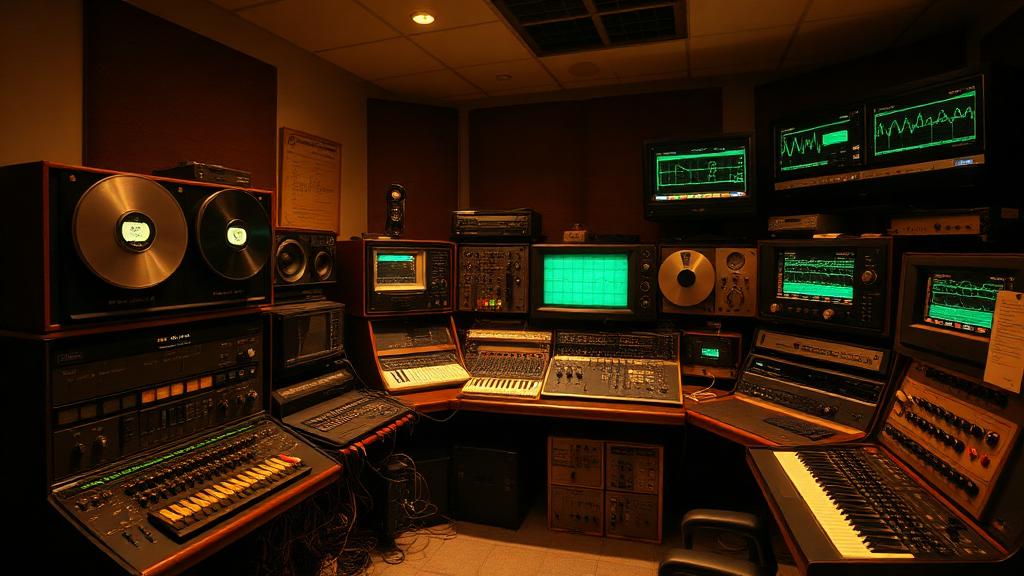
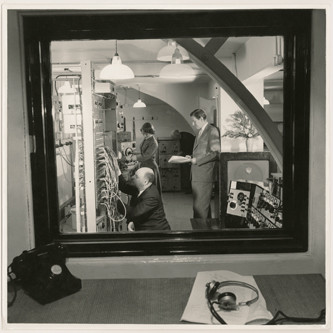
The BBC Radiophonic Workshop deserves its own section in any history of electronic music. Founded in 1958, it was a laboratory for sound design, creating everything from the Doctor Who theme to incidental music for radio dramas, educational programmes, and experimental broadcasts.
What made the Workshop remarkable wasn't just its output but its method. Composers worked with razor blades and tape machines, building sounds from scratch. Delia Derbyshire, Daphne Oram, and later contributors like Paddy Kingsland and Dick Mills pushed the boundaries of what the BBC, and British audiences, considered music.
The Workshop's influence extends far beyond television. Its techniques prefigured sampling, synthesis, and sound design practices that wouldn't become mainstream for decades. Today, its releases are sought after by collectors and electronic music fans alike.
Björk: Rewriting the Rules
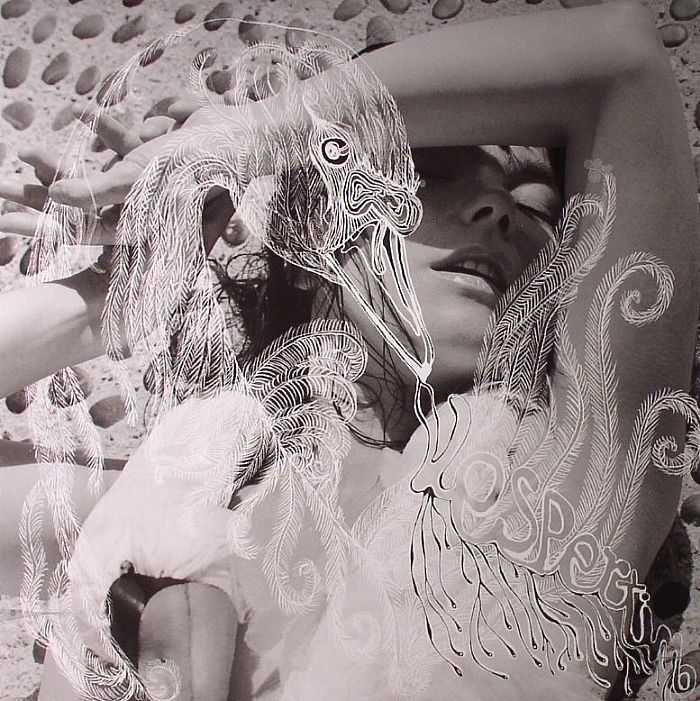
No artist has done more to bring experimental electronic music to a mainstream audience than Björk. From her debut solo album in 1993 to her most recent work, the Icelandic artist has consistently refused to repeat herself, absorbing influences from trip-hop, glitch, orchestral music, and field recordings into a body of work that defies easy categorisation.
Debut (1993) announced her arrival with a blend of house, jazz, and trip-hop that felt unlike anything else. Post (1995) pushed further into electronic territory, working with producers like Nellee Hooper, Tricky, and Graham Massey. Homogenic (1997) is widely regarded as her masterpiece, a volatile collision of strings, beats by Mark Bell of LFO, and Björk's extraordinary vocal range.
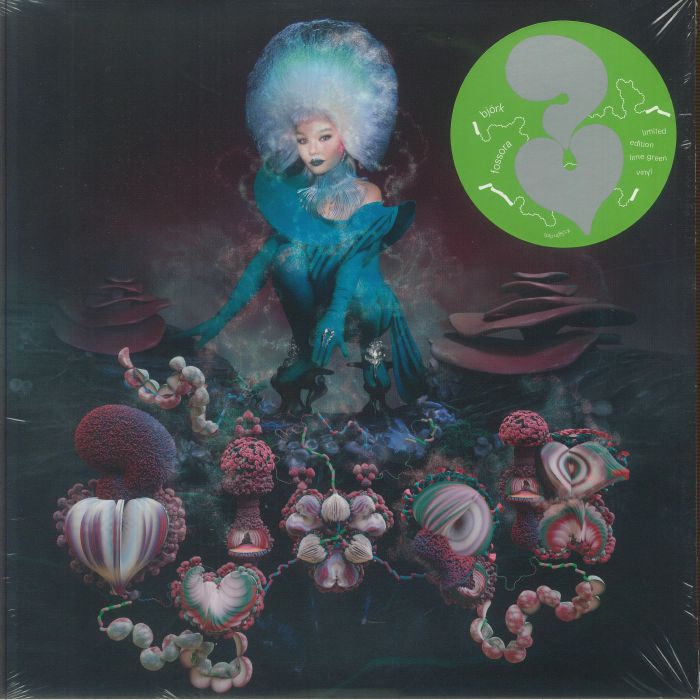
Vespertine (2001) went inward, building a world of music boxes, harps, and glitched microbeats with Matmos. It's one of the most intimate electronic albums ever made. Later works like Volta (2007) explored brass and African rhythms, while Fossora (2022) drew on Icelandic folk, gabber, and mushroom metaphors for a deeply personal meditation on grief and renewal.
What makes Björk essential to the story of women in electronic music isn't just her adventurousness. It's her insistence on creative control. She produces, co-writes, and art-directs every project, collaborating with visual artists, programmers, and technologists to create immersive experiences that go far beyond the album format.
Ellen Allien: Berlin's Techno Architect
Ellen Allien has been a driving force in Berlin's techno scene since the early 1990s. As the founder of BPitch Control, one of the city's most respected labels, she helped define the sound of post-reunification Berlin, raw, hypnotic, and unapologetically electronic.
Her DJ sets are legendary, marathon sessions that weave between acid, industrial, and melodic techno with an energy that few can match. As a producer, she's released a string of acclaimed albums and collaborations, including work with Apparat that bridged the gap between club music and art-school experimentalism.
Allien's influence goes beyond her own music. Through BPitch Control, she's championed artists like Modeselektor, Dillon, and Ndo, building a label roster that reflects Berlin's multicultural, genre-fluid electronic scene. Her Take A Stand remixes showcase her commitment to pushing techno forward while honouring its roots.
Moor Mother: The Future Is Now
Moor Mother (Camae Ayewa) is one of the most vital voices in contemporary experimental music. A poet, composer, vocalist, and activist from Philadelphia, her work draws on free jazz, noise, spoken word, and Afrofuturism to create music that is politically charged and sonically uncompromising.
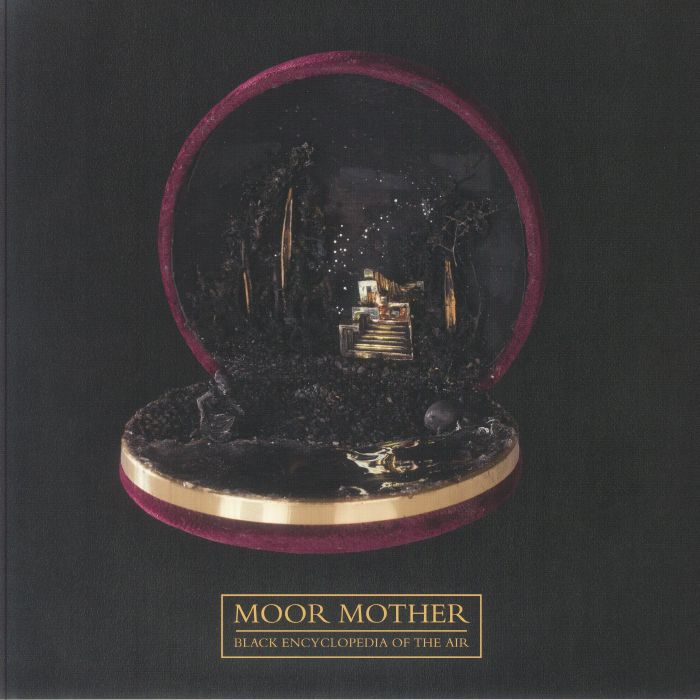
Her debut album Fetish Bones (2016) established her as a force, abrasive, poetic, and impossible to categorise. Since then, she's released a remarkable run of records, including Circuit City and Black Encyclopedia of the Air, the latter a collaboration with jazz musicians that blends free improvisation with electronic texture and spoken word.
Moor Mother's work sits at the intersection of music, literature, and activism. She's a member of the collective Irreversible Entanglements and has collaborated with artists across the experimental spectrum. Her vinyl releases are essential listening for anyone interested in where electronic and experimental music is heading.
The Legacy Continues
The women in this article span seven decades, multiple continents, and radically different approaches to sound. What connects them is a refusal to accept the limitations placed on them, by the music industry, by academia, by technology itself.
Daphne Oram built her own instrument. Delia Derbyshire went uncredited for years. Wendy Carlos popularised the synthesiser. Pauline Oliveros invented a new way of listening. Suzanne Ciani mastered the Buchla. Éliane Radigue turned patience into an art form. The BBC Radiophonic Workshop turned a studio into a laboratory. Björk redefined what a pop album could be. Ellen Allien built a label and a scene. Moor Mother is rewriting the future.
Their records are not museum pieces. They're living documents, and many of them are available on vinyl right now.