

If you've spent any time digging through crates or scrolling through Discogs lately, you've probably noticed something: Japanese Jazz (or "J-Jazz") is having a massive moment. What used to be a niche interest for obsessive imports-only collectors has exploded into a global phenomenon.
But why? Is it just the cool Obi strips and the beautiful cover art? Not quite. It's about a level of craftsmanship, both in the music and the physical pressing, that you rarely find anywhere else. From the smokey Bop clubs of 1950s Ginza to the high-fidelity fusion of the 80s, Japanese artists didn't just imitate American jazz, they perfected it, then took it somewhere entirely new.
Whether you are looking to buy vinyl records for the first time or you're a seasoned veteran hunting for that one specific rare vinyl press, this checklist is your roadmap. Let's dive into the 12 holy grails that deserve a spot in every serious vault.
The Roots: Post-War Bop and the Pioneers
In the beginning, Japanese jazz was heavily influenced by the American soldiers stationed in Japan post-WWII. But by the late 50s and early 60s, local artists began finding their own voice.
1. Toshiko Akiyoshi – Toshiko's Piano (1953)
You can't talk about J-Jazz without Toshiko. Discovered by Oscar Peterson, she became the first Japanese jazz artist to achieve international fame. Her early work is a masterclass in bebop technique, but with a discipline and clarity that became a hallmark of the Japanese scene. It's the foundational stone for any collection.
2. Teru Masahino – Highology (1969)
As the 60s came to a close, the sound began to shift. Highology is a bridge between the traditional and the experimental. It's bold, expressive, and shows the first real signs of the "Deep Jazz" movement that would define the next decade. If you're looking for something that feels like a lost Blue Note session but with a sharper edge, this is it.

The Golden Era: The Rise of Audiophile Perfection
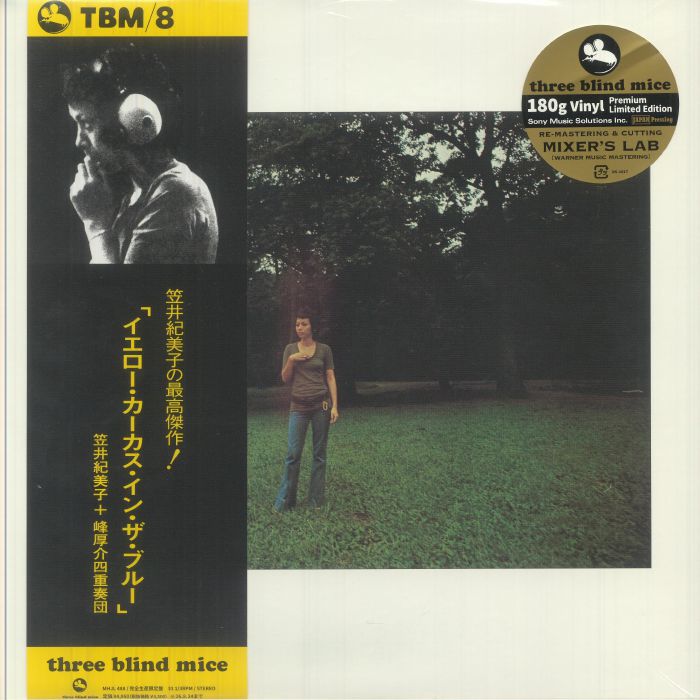
The 1970s was the "Big Bang" for Japanese Jazz. This is where the term audiophile vinyl really starts to mean something. Labels like Three Blind Mice (TBM) revolutionized how records were recorded, using close-mic techniques that made you feel like the piano was in your living room.
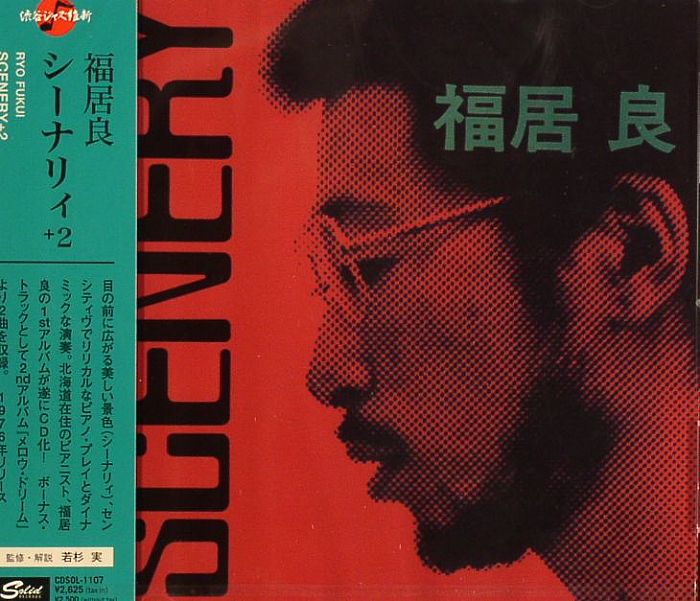
3. Ryo Fukui – Scenery (1976)
If J-Jazz has a "poster child," this is it. For years, Scenery was an obscure masterpiece known only to local fans in Sapporo. Then, the YouTube algorithm turned it into a global sensation. It's easy to see why: Fukui's piano playing is incredibly melodic, accessible, and deeply soulful. It's arguably the most sought-after rare vinyl in the genre today.
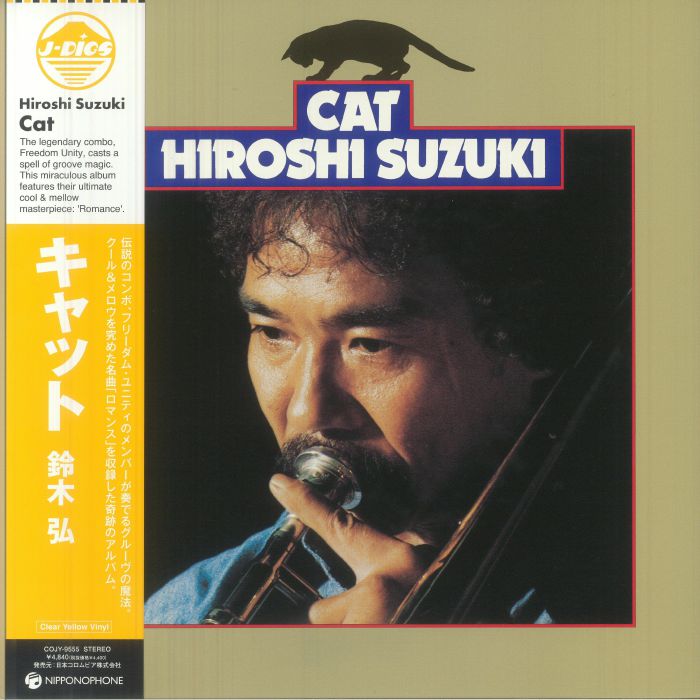
4. Hiroshi Suzuki – Cat (1975)
Cat is a masterclass in jazz-funk. Led by Suzuki's soulful trombone, this record sits in that perfect pocket between "easy listening" and "complex fusion." It's groovy, lush, and features some of the best bass lines ever committed to wax. It's a staple for anyone who wants their jazz with a side of funk.
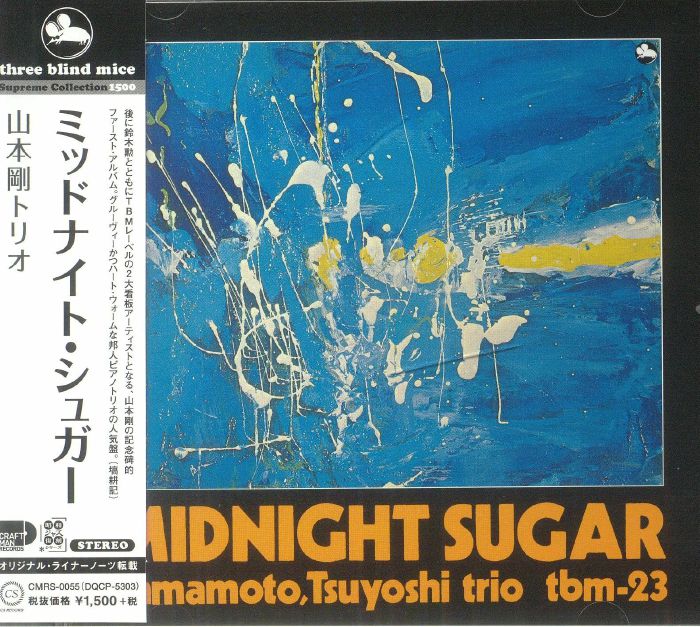
5. Tsuyoshi Yamamoto Trio – Midnight Sugar (1974)
This is the crown jewel of the Three Blind Mice label. If you want to test your speakers, put this on. The "wet" sound of the piano, meaning you can hear every hammer strike and pedal movement, is legendary among audiophiles. It's not just a great jazz record; it's a technical achievement.
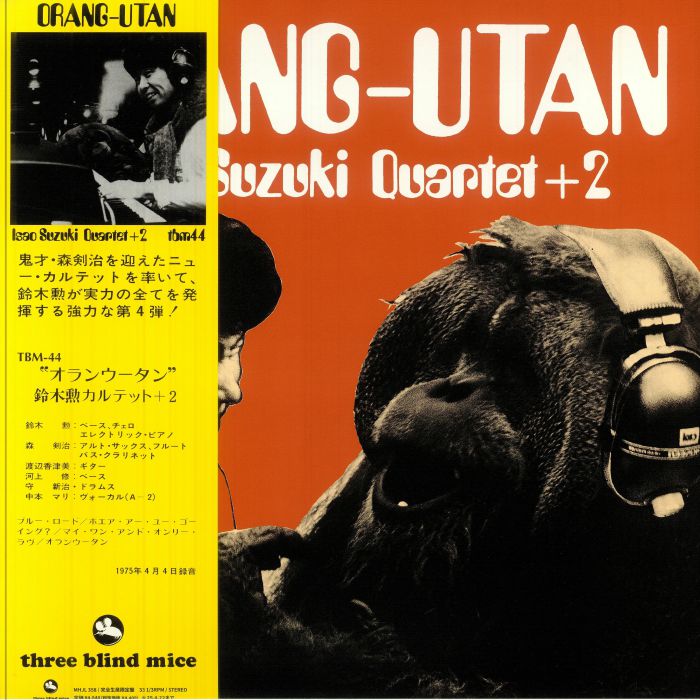
6. Isao Suzuki Quartet – Blow Up (1973)
Another TBM classic. Blow Up is famous for its heavy, woody bass tones and eccentric cello playing. It's adventurous but remains incredibly catchy. Finding an original pressing with the Obi strip intact is a rite of passage for serious collectors.
Explore our current collection of rare finds here
The Fusion Explosion: Tech and Tropical Vibes
By the late 70s and early 80s, Japan was a technological powerhouse, and the music reflected that. The focus shifted toward high-energy fusion, synthesizers, and "City Pop" influences.
7. Jiro Inagaki & Soul Media – Funky Stuff (1975)
The title says it all. This is where jazz meets psychedelic rock and soul. It's aggressive, horn-heavy, and absolutely essential for anyone who likes their jazz to have a bit of a "bite." It represents the moment J-Jazz stopped looking backward and started sprinting toward the future.
8. Casiopea – Mint Jams (1982)
Ask any fusion fan about the "perfect" live album, and they'll probably point to Mint Jams. Despite being a live recording, the precision is so inhumanly perfect that people originally thought it was heavily edited in the studio. It's bright, technical, and embodies the optimistic energy of 80s Tokyo.
9. Masayoshi Takanaka – An Insatiable High (1977)
Takanaka is a guitar god in Japan. This album is pure sunshine. It blends jazz fusion with Latin rhythms and surf rock. It's the ultimate "summer record," and while it leans more toward the "pop" side of fusion, the musicianship is undeniable.

The Boundary Pushers: Spiritual and Experimental
Not everything was about bright lights and fusion. Some artists were going deep, exploring the spiritual and modal territories carved out by Coltrane and Pharoah Sanders.
10. Ryo Kawasaki – Juice (1976)
Kawasaki was an innovator who even designed his own guitar synthesizers. Juice is a heavy, electrified trip. It's funky, cosmic, and sounds like it was recorded on a spaceship. If you're looking to buy vinyl records that defy genre definitions, start here.
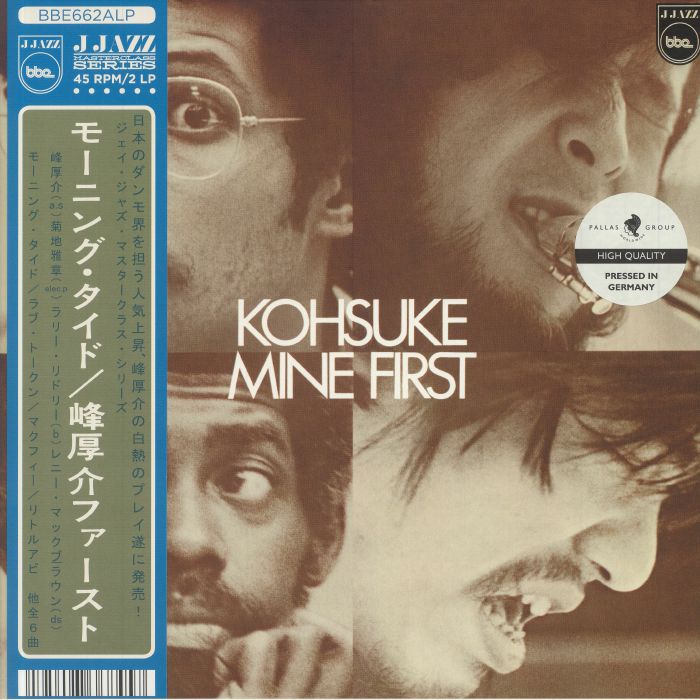
11. Kohsuke Mine – Daguri (1973)
This is high-energy, modal jazz at its finest. Mine's saxophone work is fierce and uncompromising. It's a dense listen, but for fans of spiritual jazz, it's an absolute holy grail. It shows the sheer diversity of the Japanese scene during its peak years.
12. Tohru Aizawa Quartet – Tachibana (1975)
We're ending with one of the rarest of them all. Originally a private press (meaning only a few hundred were made), Tachibana is a raw, powerful explosion of post-bop. It was recorded by a group of amateur musicians (Aizawa was a businessman!), which only adds to its legendary status. It's the ultimate "if you know, you know" record.
Why Collect Japanese Jazz on Vinyl?
You might be wondering: "Can't I just stream these?" Well, sure, you could. But with J-Jazz, the physical record is half the experience.
- Pressing Quality: Japanese vinyl plants (like JVC and Toshiba-EMI) used "virgin" vinyl, which was quieter and more durable than the recycled wax often used in the US and UK during the oil crisis.
- The "Obi" Strip: That little paper strip around the left side of the jacket? It's not just for looks. It contains tracklists, prices, and liner notes in Japanese. For collectors, an original Obi can double the value of a record.
- The Sound: Especially with labels like Three Blind Mice, the recording techniques were designed for audiophile vinyl enthusiasts. These records were meant to be played on high-end gear.

How to Build Your Own Vault
Building a J-Jazz collection takes patience. Because many of these were limited local releases, they don't stay on the shelves for long.
If you're just starting out, don't feel like you have to drop $500 on an original Scenery pressing right away. Many of these titles have seen excellent high-quality reissues recently from labels like We Release Jazz or BBE. These are great ways to get that audiophile sound without the "holy grail" price tag.
Jerome's Pro Tip: Always check the condition of the sleeve and the presence of the insert. In the world of Japanese imports, the packaging is considered an art form in itself.
Ready to start your journey? Whether you're looking for the smooth keys of Ryo Fukui or the technical wizardry of Casiopea, we're here to help you find that next centerpiece for your collection.
Browse our latest Jazz arrivals or learn more about our Vault Pro service for help sourcing those impossible-to-find Japanese pressings.
More from the Vault:
- How to Clean Your Rare Records Safely
- The History of Three Blind Mice Records
- Shipping and Returns FAQ
What's the one J-Jazz record you're still hunting for? Let us know next time you're in the shop!


