From Goblin to Morricone: The 5 Italian Horror Scores Every Audiophile Needs
![[HERO] From Goblin to Morricone: The 5 Italian Horror Scores Every Audiophile Needs](https://cdn.marblism.com/V90P8s9ZK9x.webp)
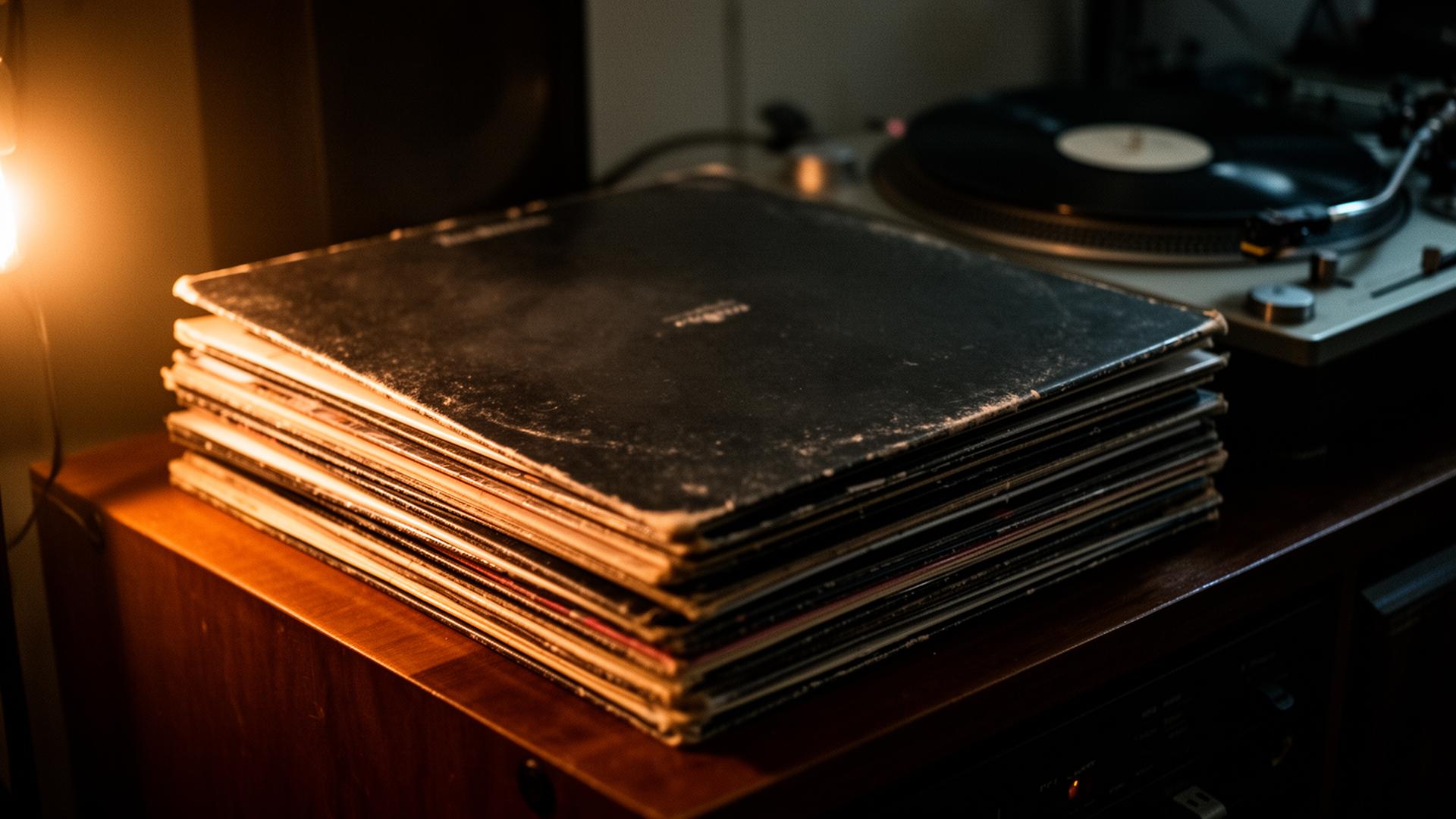
There is a specific kind of magic that happens when the needle drops on a 1970s Italian horror soundtrack. It's not just the music; it's the atmosphere. The room seems to dim, the air grows heavy with the scent of old paper and dust, and suddenly, you aren't just sitting in your living room: you're trapped in a technicolor fever dream directed by Dario Argento or Lucio Fulci.
For the modern audiophile, "Giallo Grooves" represent more than just cult cinema history. They represent a peak era of analog recording where boundary-pushing composers blended progressive rock, avant-garde jazz, and lush orchestral arrangements into a sonic tapestry that demands high-fidelity playback. In 2026, as we lean further into the digital ether, the tactile ritual of spinning these specific records has become a necessary act of rebellion for those who value depth, texture, and soul in their sound.
If you are looking to elevate your collection beyond the standard classics, these five Italian horror scores are the essential building blocks for any serious analog enthusiast.
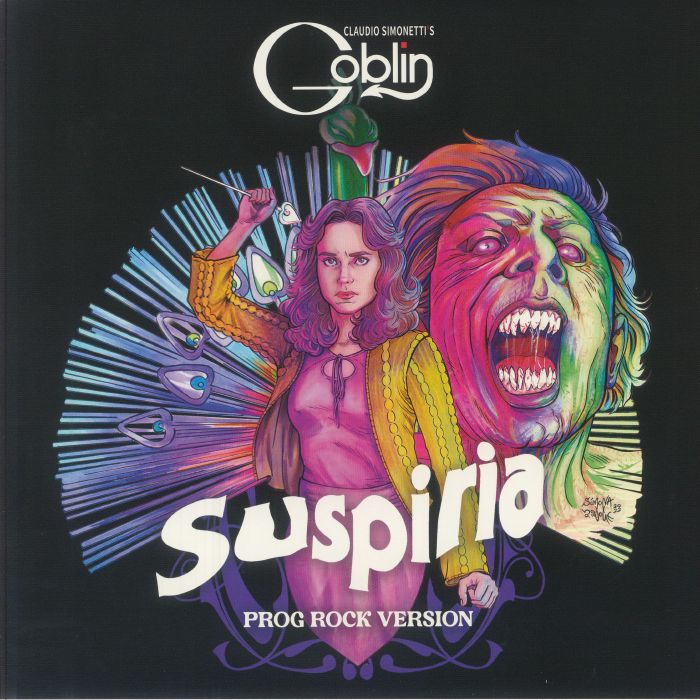
1. Goblin – Suspiria (1977)
You cannot discuss Italian horror without starting with Goblin. While their collaboration with Dario Argento yielded several masterpieces, Suspiria remains their magnum opus. From an audiophile's perspective, this record is a masterclass in dynamic range and spatial imaging.
The title track's hypnotic music box motif, punctuated by guttural whispers and frantic percussion, serves as a rigorous test for any high-end turntable setup. When played on a precision-weighted platter, the separation between the ethereal celesta and the aggressive Moog synthesizers is startling. This isn't just "scary music"; it's a sophisticated arrangement of acoustic and electronic textures that requires a clean signal path to truly breathe.
Why it belongs in your vault: Look for the original Cinevox pressings if you can find them, but high-quality modern reissues (like those found in our browse section) often utilize remastered tapes that highlight the low-end frequencies of the distorted bass lines that digital files often compress into muddiness.

2. Ennio Morricone – The Bird with the Crystal Plumage (1970)
Long before he won his overdue Oscar for The Hateful Eight, Ennio Morricone was redefining what a thriller could sound like. For Argento's debut Giallo, Morricone eschewed traditional orchestral tropes in favor of something far more unsettling: "free jazz" dissonance mixed with "scat" vocals.
For the listener, this score is a lesson in nuance. The tracks often feature delicate female vocals: provided by the legendary Edda Dell'Orso: that float over jagged, improvisational percussion. On a high-fidelity system, the "shimmer" of the cymbals and the breathiness of the vocals create a three-dimensional soundstage that feels almost uncomfortably intimate. It is a record that rewards those with a Vault Pro level of dedication to their hardware.
3. Goblin – Profondo Rosso (Deep Red) (1975)
If Suspiria is a nightmare, Profondo Rosso is a high-octane prog-rock fever. This was the record that put Goblin on the map, spending 15 weeks at the top of the Italian charts. It is an essential spin for anyone who appreciates the intersection of Mike Oldfield's Tubular Bells and the heavy-hitting jazz-fusion of the mid-70s.
The Hammond organ work on this album is legendary. On a quality analog setup, you can practically feel the mechanical whirl of the Leslie speakers. The punchiness of the snare drum and the growl of the Rickenbacker bass provide a rhythmic foundation that tests the timing and "slam" of your floor-standing speakers. It is a dense, layered recording that reveals new details with every spin: the mark of a true audiophile classic.

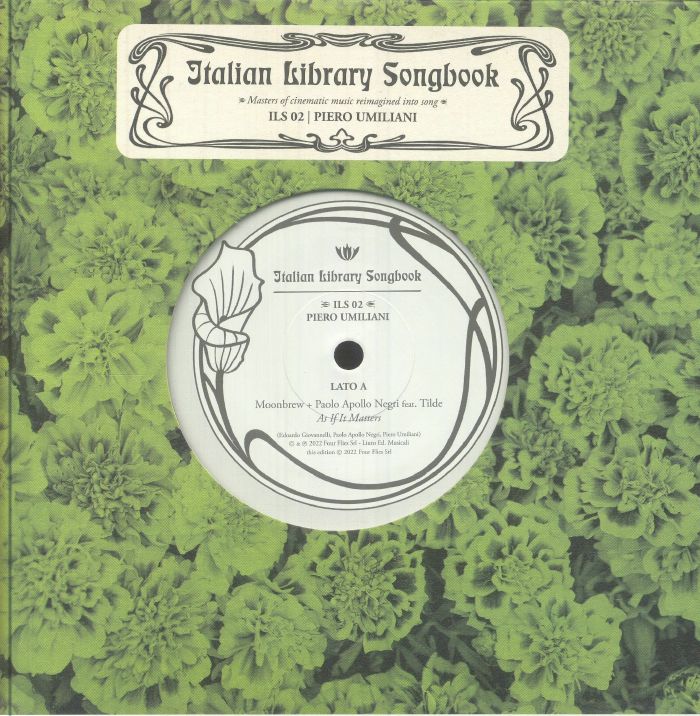
4. Piero Umiliani – La Morte Bussa Due Volte (Death Knocks Twice) (1969)
While Goblin handled the rock side of Giallo, Piero Umiliani brought the sophisticated "lounge" aesthetic to the genre. La Morte Bussa Due Volte is widely considered one of the greatest soundtracks of all time, regardless of genre. It blends bossa nova, psychedelic jazz, and soaring orchestral cues into something uniquely "Euro-cool."
For collectors, this is often a "holy grail" item. Original pressings are notoriously rare and command high prices due to their incredible recording quality. The warmth of the brass sections and the crispness of the vibraphone melodies are a testament to the gold standard of 1960s Italian recording studios. If you manage to secure a copy, ensure you are using the best vinyl cleaning products to maintain that pristine analog signal.
5. Fabio Frizzi – The Beyond (L'Aldilà) (1981)
No list of Italian horror would be complete without Fabio Frizzi, the man who provided the sonic heartbeat for Lucio Fulci's "Gates of Hell" trilogy. The Beyond is perhaps his most atmospheric work, utilizing a haunting blend of piano, Mellotron, and funked-out bass lines.
What makes Frizzi's work essential for the audiophile is the "weight" of the sound. There is a thickness to the analog synths used here that modern digital recreations simply cannot replicate. The "Voci Dal Nulla" (Voices from the Void) track, with its choral chants and slow-burn percussion, creates a sense of dread that is purely sonic. It is a record that demands to be played loud, allowing the low-frequency oscillators to interact with the acoustics of your room.

The Tactile Ritual: Why Analog Matters for Giallo
You might ask: "Why not just stream these on a high-res digital platform?" The answer lies in the ritual and the medium itself. Giallo films were exercises in style, texture, and sensory overload. To experience the music via a compressed digital stream is to strip away the very "grain" that makes it beautiful.
The Sonic Quality
Italian soundtracks from this era were often recorded in world-class facilities like Rome's Forum Studios. These sessions were captured on multi-track tape, resulting in a natural compression and "warmth" that complements the often-harsh subject matter of the films. When you spin a 180g remaster of a Morricone score, you are hearing the air in the room, the slight imperfection of a fingered bass note, and the harmonic richness that only an analog chain can preserve.
The Visual and Physical Experience
The Giallo genre is famous for its striking poster art and bold color palettes. This translates perfectly to the vinyl format. Many of these scores are housed in gatefold jackets featuring original film stills or newly commissioned artwork from boutique labels like Waxwork or Death Waltz. Holding a heavy gatefold sleeve while reading the liner notes is an immersive experience that digital interfaces simply cannot match. If you're new to the world of high-end playback, checking out a buying guide for turntables is a great place to start your journey.
Comparison: Analog vs. Digital for Cult Soundtracks
| Feature | Analog Vinyl | Digital Streaming |
|---|---|---|
| Harmonic Richness | High (Natural Tape Saturation) | Medium (Clean but often "Thin") |
| Dynamic Range | Excellent (on AAA pressings) | High (but often limited by DAC quality) |
| Tangibility | Gatefolds, Liner Notes, Art | Metadata only |
| Ritual | Intentional Listening | Background Playback |
| Resale Value | High (Collector's Assets) | Non-existent |
Building Your Giallo Collection at Vinyl Vault
At Vinyl Vault, we understand that collecting isn't just about owning music; it's about the hunt for the perfect pressing. The world of Italian horror soundtracks is deep, filled with rare library music releases, limited edition color variants, and long-lost gems waiting to be rediscovered.
Whether you are chasing a first-pressing Cinevox of Profondo Rosso or a modern 45rpm audiophile cut of a Morricone classic, the key is to prioritize the source. Look for releases mastered from the original analog tapes. Avoid "grey market" pressings that are often just sourced from CDs; they lack the soul and the sonic headroom that makes this genre so compelling.

If you have questions about specific pressings or need advice on how to optimize your system for these complex scores, feel free to contact us. We're here to ensure that when you drop that needle, the only thing you have to worry about is whether or not you remembered to lock the front door.
After all, in the world of Giallo, you never know who: or what: might be listening along with you. Keep spinning, keep hunting, and stay tuned to our blog for more deep dives into the world of audiophile-grade vinyl.