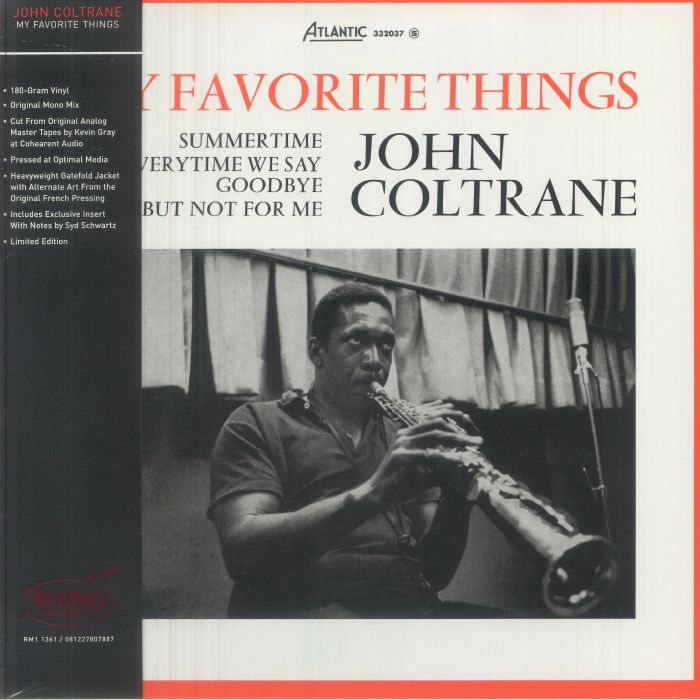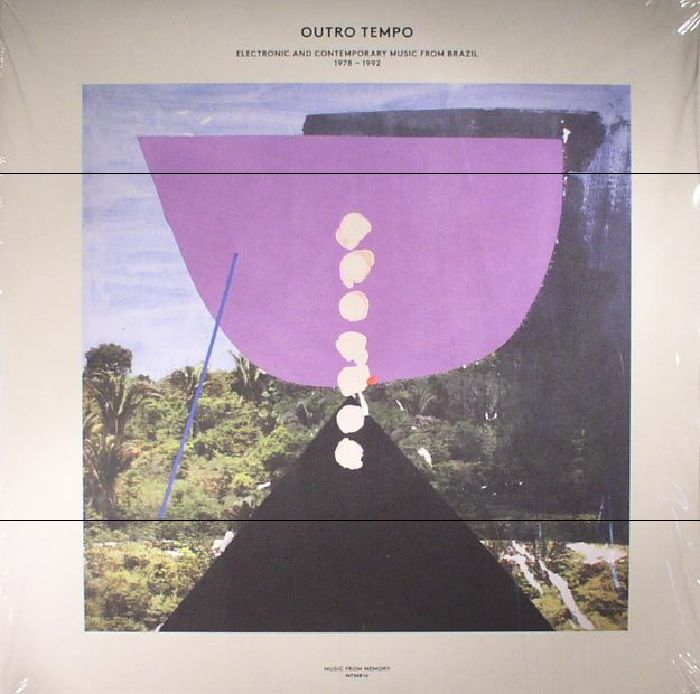
There's something almost spiritual about a dark room. Strobes cutting through haze. A 4/4 kick drum rattling your ribcage. And somewhere in that booth, a DJ hunched over two turntables, fingers grazing the edge of a spinning record.
In an age where you can DJ an entire set from a USB stick the size of your thumb, techno vinyl refuses to die. In fact, it's thriving. The question is: why?
Let's dig into the culture, the craft, and the undeniable magic of spinning techno on wax.
The Roots Run Deep
Techno was born in Detroit in the mid-1980s, but it found its spiritual home in the underground clubs of Berlin, Amsterdam, and beyond. From the very beginning, the genre was intertwined with vinyl. Labels like Tresor, Basic Channel, and Ostgut Ton didn't just release music, they released artefacts. Limited pressings. White labels. Records you had to hunt for.
This scarcity wasn't a bug. It was a feature.
Techno vinyl culture has always been about the dig. Crate-digging through dusty record shops. Trading tips with fellow collectors. Finding that one pressing of a Surgeon track that elevates your entire set. When you buy vinyl records in this world, you're not just purchasing music. You're joining a lineage.
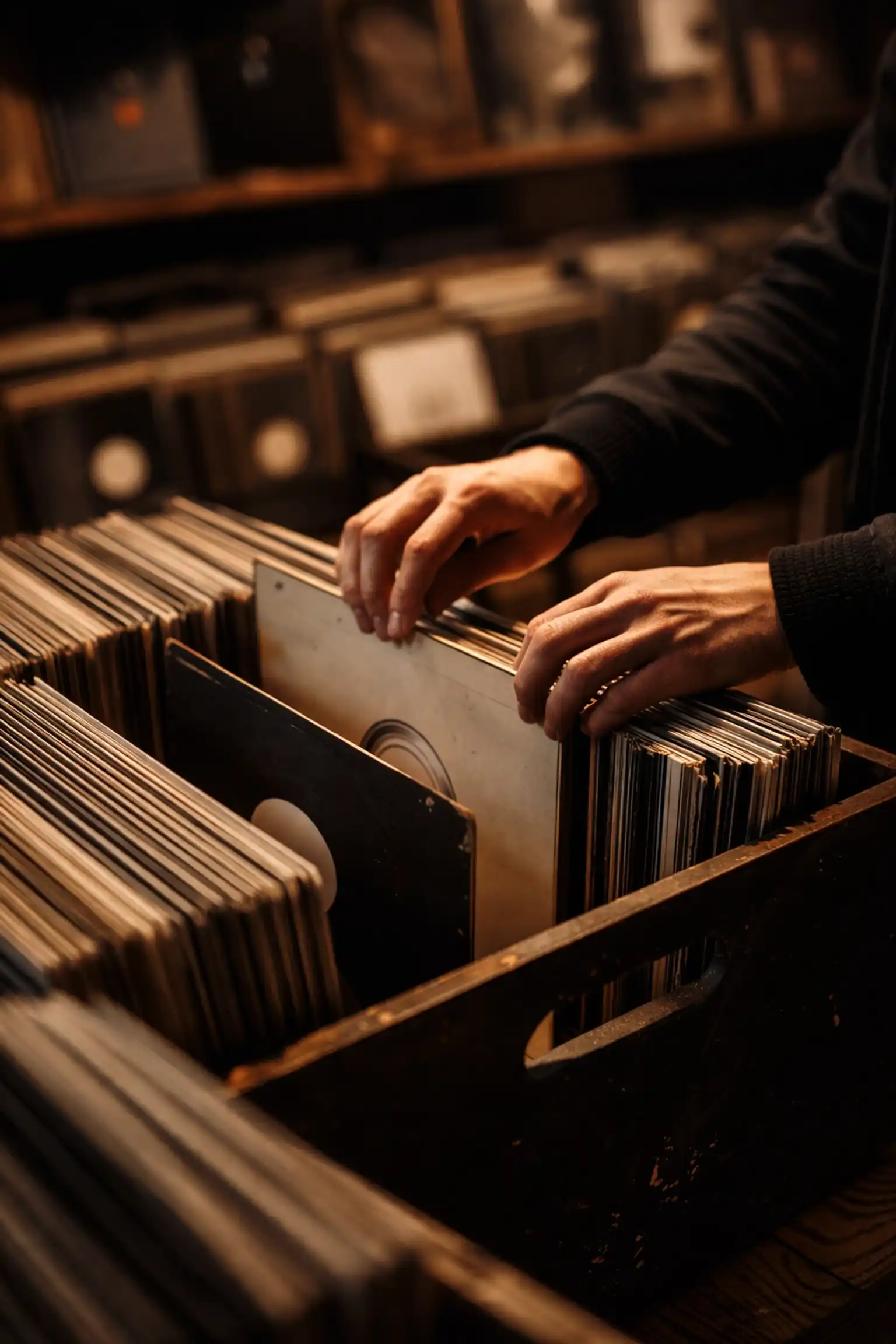
And that lineage matters. The physicality of a record collection tells a story. Every scuffed sleeve, every hand-stamped label, every record acquired from a shop in some foreign city, it all becomes part of your identity as a selector.
Why DJs Still Choose Wax
Here's the thing: digital DJing is objectively easier. Sync buttons exist. Waveforms tell you exactly where the drop is. You can carry 10,000 tracks on a single drive.
So why do serious techno DJs still reach for vinyl?
Control. When you're mixing on wax, you're not watching a screen. You're feeling the music. Your fingers rest on the platter, sensing the rotation, making micro-adjustments by touch alone. There's no safety net. No undo button. Just you, the records, and the room.
Sound. Vinyl isn't compressed the way digital files often are. The bass hits differently: rounder, warmer, with a presence that digital struggles to replicate. For a genre built on low-end frequencies and hypnotic repetition, that analogue warmth isn't just nice to have. It's essential.
Commitment. When you can only fit 30-40 records in your bag, every choice matters. You're forced to curate. To think about flow, energy, and narrative before you even step into the booth. This limitation breeds creativity.
There's also something to be said for presence. In a dark room, where visual distractions fade away, the ritual of vinyl—pulling a record from its sleeve, placing it on the platter, dropping the needle—becomes part of the performance. The audience can feel it, even if they can't see it.
The Tactile Art of Mixing
Let's talk about the hands-on experience for a moment.
Beatmatching on vinyl is a skill that takes months (sometimes years) to master. You're listening to two tracks simultaneously through your headphones, adjusting the pitch fader in tiny increments, nudging the platter forward or dragging it back until the kicks lock together.

It's physical. It's demanding. And when you nail a seamless blend between two tracks? There's no feeling quite like it.
This tactile connection changes how you interact with music. You stop being a passive listener and become an active participant. The record isn't just playing—you're playing it. Every transition is a conversation between you and the vinyl.
For genres like dub techno, where tracks unfold slowly over 8-10 minutes with subtle shifts in texture, this hands-on approach is particularly rewarding. You can ride the grooves, extend passages, layer dub chords over pulsing basslines. The format encourages patience and rewards attention.
Industrial techno presents a different challenge. Harder, faster, more aggressive—these tracks demand precision. Mixing Blawan into Perc into Ansome requires tight beatmatching and quick hands. The vinyl format doesn't forgive sloppiness here. But when you get it right, the energy is unmatched.
Sub-Genres That Shine on Wax
Not all techno is created equal when it comes to vinyl. Some sub-genres practically demand the format.
| Sub-Genre | Why It Works on Vinyl |
|---|---|
| Dub Techno | The warm, reverb-heavy sound benefits enormously from analogue playback. Labels like Basic Channel and Chain Reaction were designed for wax. |
| Industrial | Raw, distorted textures feel more visceral on vinyl. The format adds grit that complements the aggression. |
| Minimal | Subtle sonic details—the click of a hi-hat, the decay of a reverb tail—come through with greater clarity. |
| Ambient Techno | Long-form pieces meant for deep listening reward the focused experience vinyl encourages. |
If you're building a collection, these sub-genres are a great place to start. Hunt down classics from Maurizio, Regis, or Robert Hood. Seek out modern pressings from labels like Mord, Northern Electronics, or Semantica.
The Ritual of the Dark Room
Here's what digital will never replicate: the ritual.
In a proper techno club—lights low, sound system tuned to perfection—there's a collective understanding between DJ and crowd. You're all there for the same reason. To lose yourself. To let the repetition wash over you. To exist, for a few hours, outside of time.

Vinyl fits this context perfectly. The format demands attention. It rewards presence. When a DJ plays on wax, they're making a statement: this matters enough to do it the hard way.
And the crowd responds to that. Maybe not consciously. But somewhere in the collective energy of the room, there's recognition. Respect. A shared commitment to something deeper than convenience.
Building Your Techno Vinyl Collection
Ready to start your own journey? Here are a few tips:
- Start with compilations. Many labels release vinyl samplers that give you a taste of their roster without breaking the bank.
- Explore your local record shops. The staff usually know their stuff and can point you toward hidden gems.
- Don't sleep on reissues. Classic techno albums are being repressed all the time. You don't need an original 1995 pressing to enjoy the music.
- Invest in proper storage and sleeves. Your records will last decades if you treat them right. Check out our guide on protecting your collection.
And if you're serious about mixing, make sure your turntable setup is solid. The difference between a quality direct-drive deck and a budget option is night and day. We break down the details in our Direct Drive vs. Belt Drive guide.
The Bottom Line
Techno vinyl isn't about nostalgia. It's not some hipster affectation or a rejection of technology for its own sake.
It's about engagement. With the music. With the craft. With the room.
In dark spaces where bass moves through your body and time loses meaning, physical media offers something streaming never can: presence. Connection. A reason to pay attention.
So next time you're in a club and you see a DJ reach for a record, watch closely. There's a whole world in that gesture. A history. A commitment.
And maybe, just maybe, a reason to start your own collection.